1.Introduction

The healthcare sector in Saudi Arabia has witnessed an unprecedented level of digitalization in the last several years. Ranging from smart hospitals to AI-powered diagnostics, the pursuit of technology-facilitated healthcare solutions has never been more intense. And right at the focal point of this revolution are
mobile healthcare apps
—delivering convenience, real-time access, and improved patient outcomes.If you are an investor, startup, or hospital wondering, "What does it cost to create a healthcare app in Saudi Arabia?" — you are in the right place. This step-by-step guide discusses the features, cost drivers, development models, timelines, and best practices to launch a customized healthcare app in the Kingdom.
2. Key Features of an Advanced Healthcare App
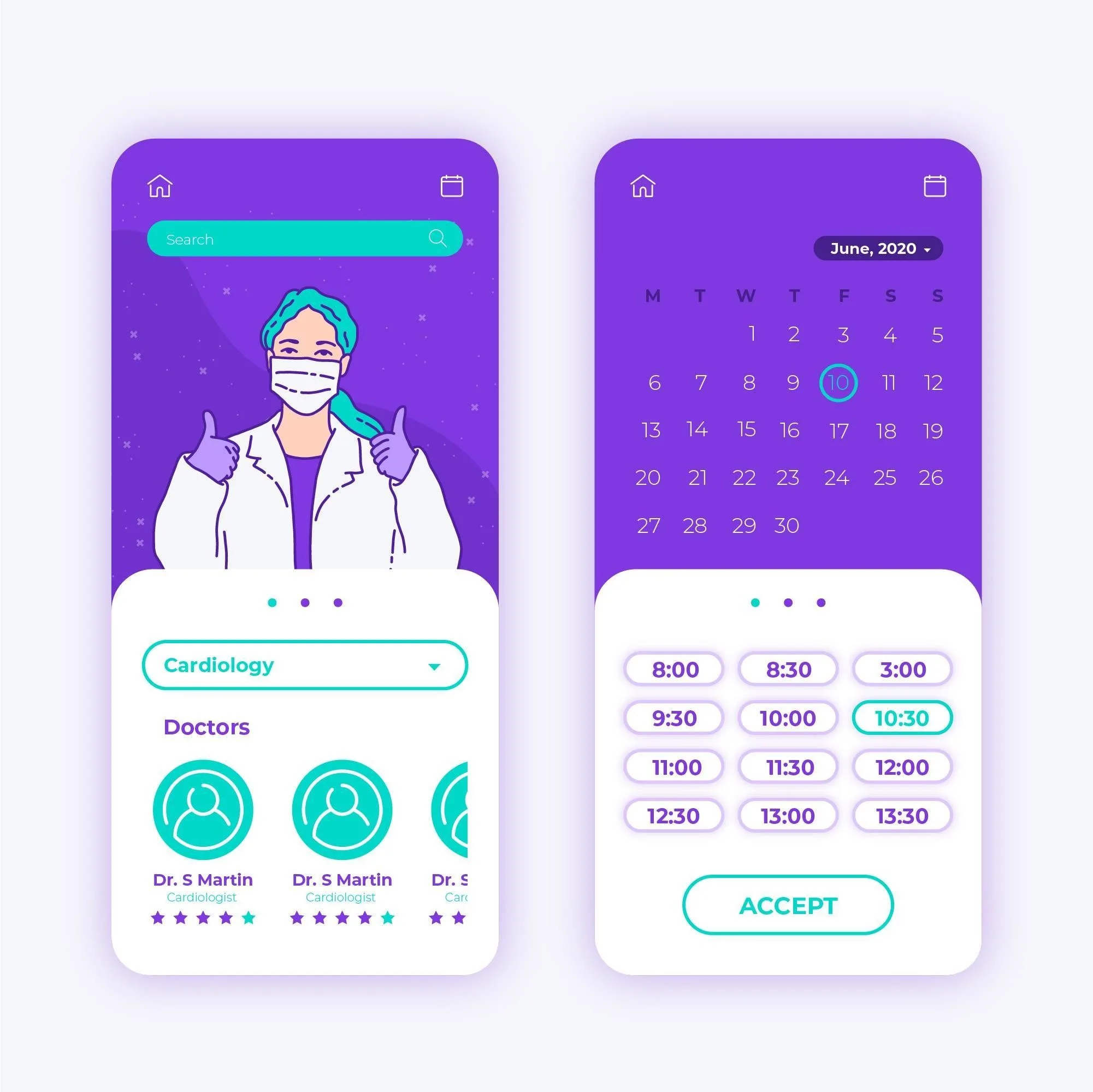
User Registration & Profiles
Secure sign-up for both patients and doctors with personalized profiles containing medical history, credentials, and preferences.
Appointment Booking & Calendar Integration
Patients can easily book, reschedule, or cancel appointments while doctors manage availability through a synced calendar.
Video Consultations / Telemedicine
Provides remote access to healthcare services via high-quality, encrypted video calls—essential for virtual care.
Electronic Health Records (EHR) Integration
Enables patients and providers to access and update digital health records securely in one place.
Prescription Upload & Refill Reminders
Patients can upload prescriptions and receive timely notifications for refills, reducing missed medications.
Symptom Checker / AI Chatbot
An intelligent assistant that guides users based on symptoms, providing initial advice or directing them to the right specialist.
Secure Messaging
Confidential in-app messaging between doctors and patients for follow-ups, lab results, or quick consultations.
Payment Gateway Integration
Offers convenient and secure payments through local options like Mada, and global platforms like Apple Pay and credit cards.
Multi-language Support
Support for both Arabic and English ensures broader accessibility across Saudi Arabia’s diverse user base.
Push Notifications
Real-time alerts for appointments, medication reminders, test results, and health tips.
Admin Dashboard
A comprehensive analytics dashboard designed for doctors and clinic administrators to monitor appointments, revenue streams, and patient behavior trends.
Advanced Features
- AI-based diagnosis for smarter healthcare insights
- Wearable device integration to monitor vitals and activity
- Remote patient monitoring for chronic condition management
3. Factors That Affect the Cost of Building a Healthcare App in Saudi Arabia
Every healthcare app project in Saudi Arabia comes with its own unique requirements. Prices vary depending on these determinants:
1. App Type and Complexity
- An appointment booking application is simple and cheaper.
- A video calling, EHR, and AI-based application is complex and will be costly.
2. Platform Choice
- Native iOS and Android applications provide great performance but require separate development efforts.
- Cross-platform apps (built using Flutter or React Native) are cost and time-saving with support on both platforms.
3. Design & User Experience
- Saudi users prefer simple, mobile-first user interfaces with bilingual support and RTL UI for Arabic.
- Creating a custom UI/UX takes longer, but it pays off by increasing user satisfaction.
4. Security & Compliance
- Health apps deal with sensitive patient data. In Saudi Arabia, apps must comply with:
- National Health Regulatory Authority (NHRA)
- Ensures sensitive information is stored, transferred, and encrypted according to HIPAA compliance standards.
- Saudi-specific hosting compliance (typically requiring local storage of data)
5. Third-Party API Integration
- Fees differ depending on how many external systems you need to integrate with:
- Insurance platforms
- Pharmacy delivery services
- Diagnostic labs
- Telehealth APIs
4. Cost Breakdown by Development Stage

Here’s an approximate cost breakdown in Saudi Riyal (SAR) for a full-cycle healthcare app project:
PhaseEstimated Cost (SAR)Research & Requirements GatheringSAR 10,000 – 20,000UI/UX DesignSAR 15,000 – 30,000App Development (Frontend & Backend)SAR 50,000 – 200,000API Integration (EHR, Payments, etc.)SAR 10,000 – 25,000QA Testing & OptimizationSAR 15,000 – 30,000Deployment & LaunchSAR 5,000 – 10,000 <trstyle="border: 1px solid #000; padding: 8px;">Monthly MaintenanceSAR 3,000 – 10,000/month
Disclaimer: The costs mentioned are estimates and may vary depending on specific project requirements, chosen features, and the development company you work with.
Detailed Cost Breakdown for Healthcare App Development in Saudi Arabia
Estimated Cost (SAR)
Development Timeline
Key Features
Best Suited For
Basic App75,000 – 120,0008–12 weeksUser registrationAppointment bookingBasic profilesPush notificationsBilingual supportClinicsSolo practitionersMVPs / pilot appsMid-Level App120,000 – 250,0003–5 monthsAll Basic featuresVideo consultationsE-prescriptionsPayment integrationMessagingEHRMulti-specialty clinicsGrowing health startupsAdvanced App250,000 – 500,000+6–9+ monthsAll Mid-Level featuresAI-based symptom checkerWearable integrationReal-time monitoringHIPAA/NHRA complianceEnterprise hospitalsGovernment health orgsFunded startups
5. Hiring Options: What’s the Right Development Model?
The mobile app development journey may differ slightly depending on the needs of the project, most successful apps experience the following seven primary phases. .
- 1. Strategic Planning
- 2. Research and Planning
- 3. UI/UX Design
- 4. App Development
- 5. App Development
- 5. Mobile App Testing
- 6. Deployment
- 7. Long-term Support and Prrformance
Monitoring of these phases is vital to the development of an app that is functional, user-friendly, and commercially viable. Keep reading as we take you through each phase in detail—and offer key considerations to help make sure your app development process runs smoothly and successfully from start to finish.
6. Estimated Cost to Build an Advanced Healthcare App
The mobile app development journey may differ slightly depending on the needs of the project, most successful apps experience the following seven primary phases. .
- 1. Strategic Planning
- 2. Research and Planning
- 3. UI/UX Design
- 4. App Development
- 5. App Development
- 5. Mobile App Testing
- 6. Deployment
- 7. Long-term Support and Prrformance
Monitoring of these phases is vital to the development of an app that is functional, user-friendly, and commercially viable. Keep reading as we take you through each phase in detail—and offer key considerations to help make sure your app development process runs smoothly and successfully from start to finish.
7. Compliance & Regulations in Saudi Arabia
Before you launch a healthcare app in KSA, ensure that you're in compliance with:
- NHRA health data storage and processing regulations
- HIPAA-equivalent security measures (for best global practices)
- Patient consent policies and data transparency
- Hosting on Saudi-based cloud infrastructure (where applicable)
Ignoring these can result in legal consequences, fines, or shutdowns—so work with partners who understand the local legal landscape.
Reducing the Cost of Development Without Affecting Quality
- Start small with an MVP to explore your app’s potential.
- Opt for cross-platform development tools like Flutter or React Native to maximize efficiency.
- Leverage existing APIs and SDKs for video calling, payments, etc.
- Hire a fixed offshore team to reduce operating overhead.
- Execute phase-by-phase feature releases instead of launching all at once.
8. How to Reduce Costs Without Compromising Quality
The
mobile app development
journey may differ slightly depending on the needs of the project, most successful apps experience the following seven primary phases. .
- 1. Strategic Planning
- 2. Research and Planning
- 3. UI/UX Design
- 4. App Development
- 5. Mobile App Testing
- 6. Deployment
- 7. Long-term Support and Prrformance
Monitoring of these phases is vital to the development of an app that is functional, user-friendly, and commercially viable. Keep reading as we take you through each phase in detail—and offer key considerations to help make sure your app development process runs smoothly and successfully from start to finish.
9. Conclusion
Building a healthcare app in Saudi Arabia positions you well in an expanding digital health landscape.Whether you want to improve patient care, enable remote consultations, or place health records online, an app can transform your service delivery.Pricing can fluctuate between SAR 75,000 and SAR 500,000+, based on the goals and complexity of your app. But with sound planning and the right partner, like Rytsense Technologies, offering expert mobile application development and AI services, you can build a future-proof health app that is good for patients, providers, and the overall healthcare system.
Meet the Author

Co-Founder, Rytsense Technologies
Karthik is the Co-Founder of Rytsense Technologies, where he leads cutting-edge projects at the intersection of Data Science and Generative AI. With nearly a decade of hands-on experience in data-driven innovation, he has helped businesses unlock value from complex data through advanced analytics, machine learning, and AI-powered solutions. Currently, his focus is on building next-generation Generative AI applications that are reshaping the way enterprises operate and scale. When not architecting AI systems, Karthik explores the evolving future of technology, where creativity meets intelligence.