1.What Does the Future Hold for Software Development?
The
future of software development
is evolving at an unknown pace. Businesses that fail to acclimatize to recent trends in software development issues falling behind challengers, facing security restricts, or getting around with limited workflows. From AI-powered rendering assistants to the eventuality of blockchain technology, this composition explores the top 11 trends reshaping the software development sector and their impact on businesses.
By 2026, 75% of large enterprises will borrow low-genearating code platforms, and AI will induce 25% of new producing software at companies like Google. The shift from
DevOps to DevSecOps
highlights the growing significance of security, while progressive web app interfaces enable swiftly cost-effective development. The software development sector is no longer just about generating code, it’s about strategic innovation. Companies that embrace these changes will gain a competitive edge, while those defying will face rising technical debt and security restricts.
2. 11 Software Development Trends Shaping the Future (2025)
2.1 AI-Driven Development: The Rise of AI Software Engineer
AI is fundamentally
transforming software engineering
by automating repetitive coding tasks, optimizing workflows, and enhancing developer productivity.
Key Developments:
● GitHub Copilot & AI Coding Assistants: AI-powered tools like GitHub Copilot (backed by OpenAI) suggest code snippets in real-time, reducing development time by 30-40%. Searches for "AI coding tools" have surged 8,000% in 5 years.
● AI Debugging & Testing: AI can now detect bugs before deployment, reducing errors by 25% (Microsoft Research).
● AI in DevOps: AI-driven CI/CD pipelines optimize deployment cycles, cutting release times by 50%.
Business Impact:
Businesses that use AI-augmented development report quicker time to market and increased productivity. However, concerns remain about code quality and job displacement, though AI is more of a collaborator than a replacement.
2.2 Low-Code/No-Code: Democratizing Software Creation
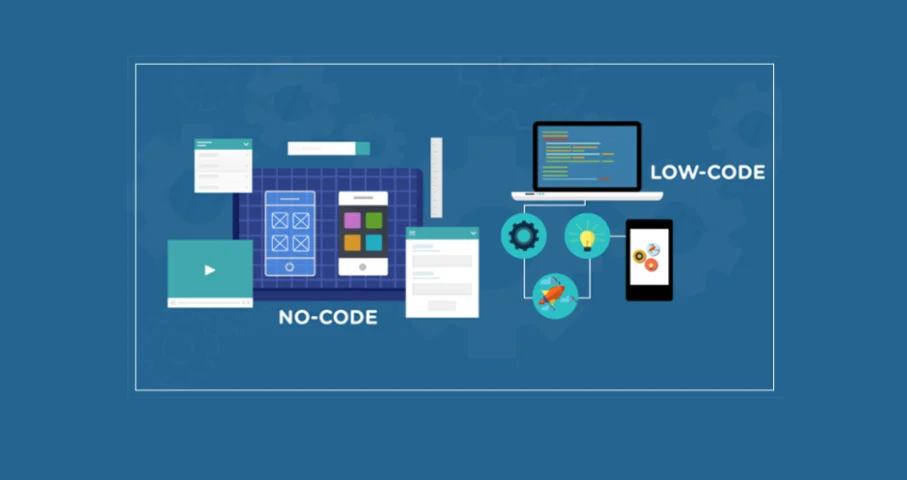
Low-code/no-code (LCNC) platforms enable non-developers to build applications using drag-and-drop interfaces, reducing dependency on traditional coding.
Key Developments:
● Enterprise Adoption: 100% of companies using LCNC report positive ROI (KPMG).
● Popular Platforms:
● Bubble (raised $106M) for web apps
● Adalo ($8M Series A) for mobile apps
● Microsoft Power Apps for enterprise workflows
● Market Growth: The LCNC market will reach $187B by 2030 (Gartner). Business Impact:
● Faster prototyping (apps built in days instead of months)
● Reduced IT backlog (business teams can self-serve)
● Challenges: Scalability limitations for complex applications.
These tools allow non-technical teams to build apps, freeing developers to focus on complex challenge
2.3 Cloud-Native Development: The Backbone of Remote Work
Cloud-native development
uses serverless computing, microservices, and containers to create scalable, dependable applications. Post-pandemic, 90% of companies increased cloud usage. The market share of AWS is 31%, while searches for "cloud engineering" have increased by 178%.
Key Developments:
● Hybrid & Multi-Cloud Adoption: 90% of enterprises now use multi-cloud strategies (Flexera).
● AWS dominance: AWS holds a 31% market share, followed by Azure (22%), Google Cloud (9%), and Amazon (31%) in second place.
● For container orchestration, 88% of companies use Docker and Kubernetes (CNCF).
Business Impact:
● 38% faster deployments
● Cost savings (pay-as-you-go models)
● Challenges: Security risks in misconfigured cloud environments.
2.4 Cybersecurity: From DevOps to DevSecOps

Cyberattacks rose 400% during COVID-19, costing businesses $3.58M per breach (IBM). DevSecOps reduces issues by 30% by integrating security from the outset. Firms using automated security testing fix flaws 144% faster, making it a must-have in the future of
custom software development
. Security is no longer an afterthought—DevSecOps integrates security into every phase of development.
Key Developments:
● Shift-Left Security: Fixing vulnerabilities early reduces costs by 60% (IBM).
●Automated Security Testing: AI-powered scanners detect threats 10x faster.
● Sixty percent of businesses use zero trust architecture (Forrester).
Business Impact:
● 30% fewer breaches in DevSecOps-adopting firms
● Compliance advantages (GDPR, HIPAA)
2.5 Rust: The Fastest-Growing Programming Language
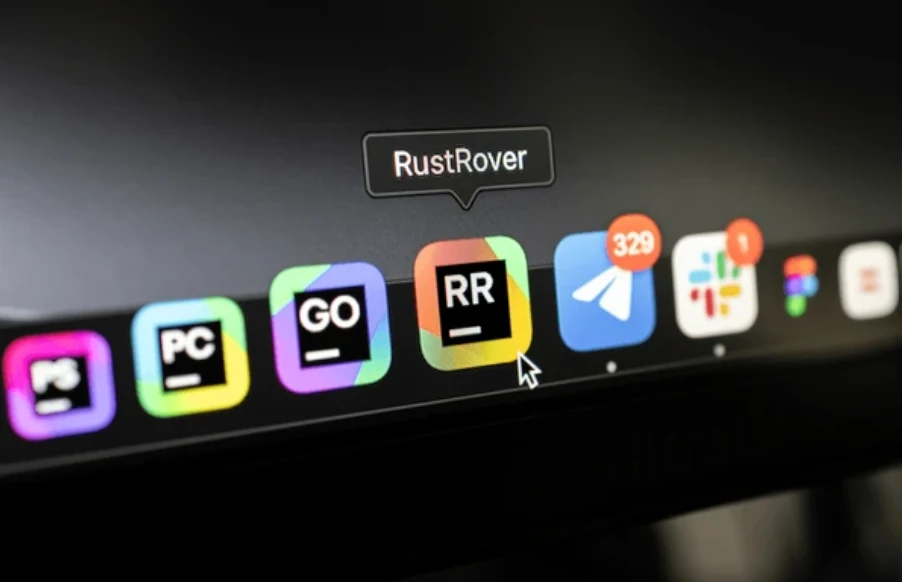
Rust is gaining traction for its speed, memory safety, and performance. Its adoption is growing 48% YoY, making it a top choice for high-performance systems.
Key Developments:
● Most Loved Language: Voted #1 on Stack Overflow for 7 years straight.
● Adoption by Tech Giants: Microsoft, Amazon, Google, and Meta all use it.
● System Programming:
Ideal for OS development
, game engines, and blockchain.
Business Impact:
● 50% fewer crashes vs. C++
● Growing demand (Rust developers earn 20% more)
2.6 IoT Expansion: Connecting Everything

The Internet of Things (IoT) is expanding into smart cities, healthcare, and Industry 4.0."Remote healthcare" searches grew 475%, proving IoT’s real-world impact.
Key Developments:
● By 2025, there will be 65 billion IoT devices, six times as many as there were in 2018.
● Healthcare IoT: Remote patient monitoring market to hit $175B by 2027.
● Industrial IoT (IIoT): Predictive maintenance reduces downtime by 40%.
Business Impact:
● $1.1T in cost savings by 2025 (McKinsey)
● Challenges: Security risks in unsecured IoT devices.
2.7 Progressive Web Apps (PWAs): Faster, Cheaper, Better
PWAs combine web accessibility with app-like performance.
Key Developments:
● Starbucks PWA: 99.84% smaller than native app, doubled orders boost engagement by 137%. They cost 15x less to develop and work offline.
● Twitter Lite: Reduced data usage by 70%.
● Google’s PWA Push: PWAs now work offline with push notifications.With Google favoring PWAs, businesses adopting
progressive web app frameworks
gain a competitive edge.
Business Impact:
● 137% higher engagement
● 15x lower development costs
2.8 Microservices: Agile and Scalable Architecture
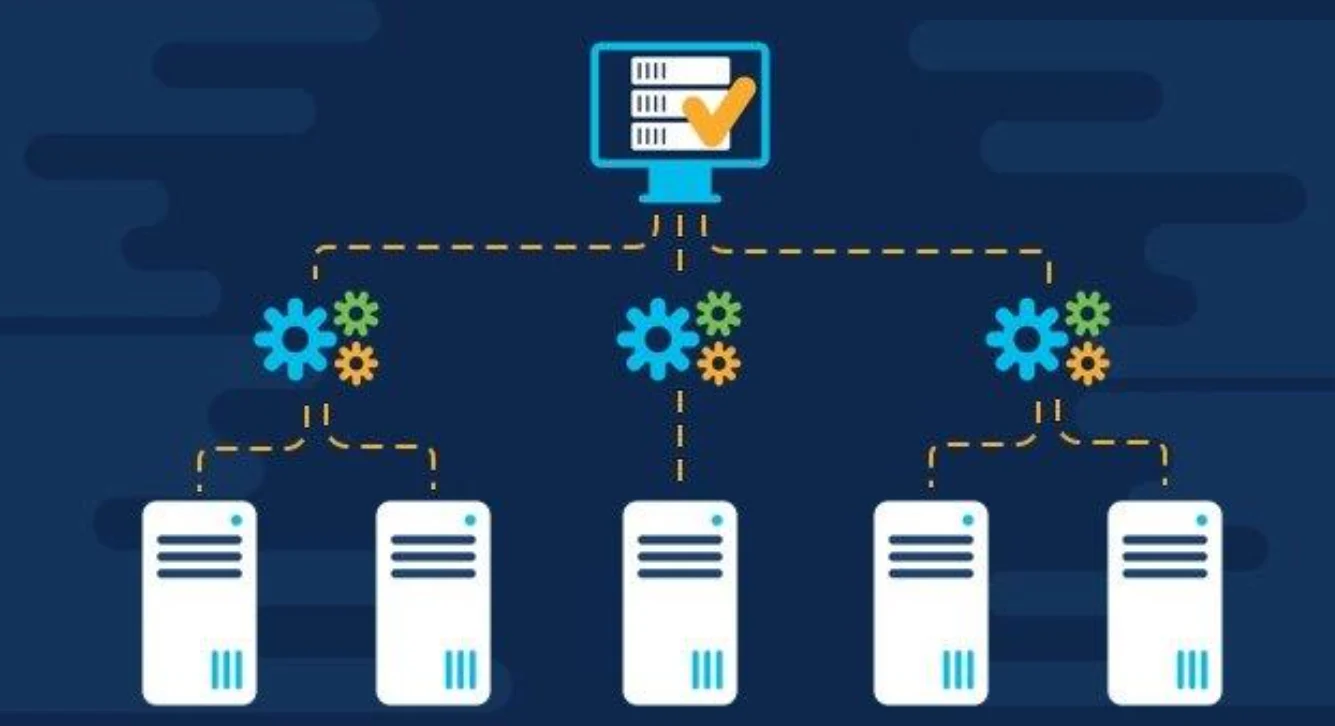
Microservices break applications into independent, scalable components.The microservices market will grow 25% annually, adding $1.59B by 2026 (Technavio). 88% of users (IBM) say benefits outweigh costs. Companies like Netflix use microservices for seamless scaling—monolithic apps can’t compete.
Key Developments:
● Market Growth: 25% CAGR, adding $1.59B by 2026.
● Netflix & Uber: Process 1B+ requests/day using microservices.
● Docker & Kubernetes: Simplify deployment.
Business Impact:
● 88% of firms report improved scalability (IBM)
● Faster updates (no monolithic bottlenecks)
2.9 Blockchain Beyond Crypto: Smart Contracts & Apps

Blockchain is evolving
into enterprise solutions.
Key Developments:
● $291B market by 2030
● Smart Contracts: Automate agreements (e.g., DeFi, supply chain).
● dApps (Decentralized Apps): Axie Infinity (8M users) shows potential.
Business Impact:
● Blockchain is viewed as a competitive advantage by 73% of executives.
● Challenges: Regulatory uncertainty.
2.10 Outsourcing: Solving the IT Talent Shortage
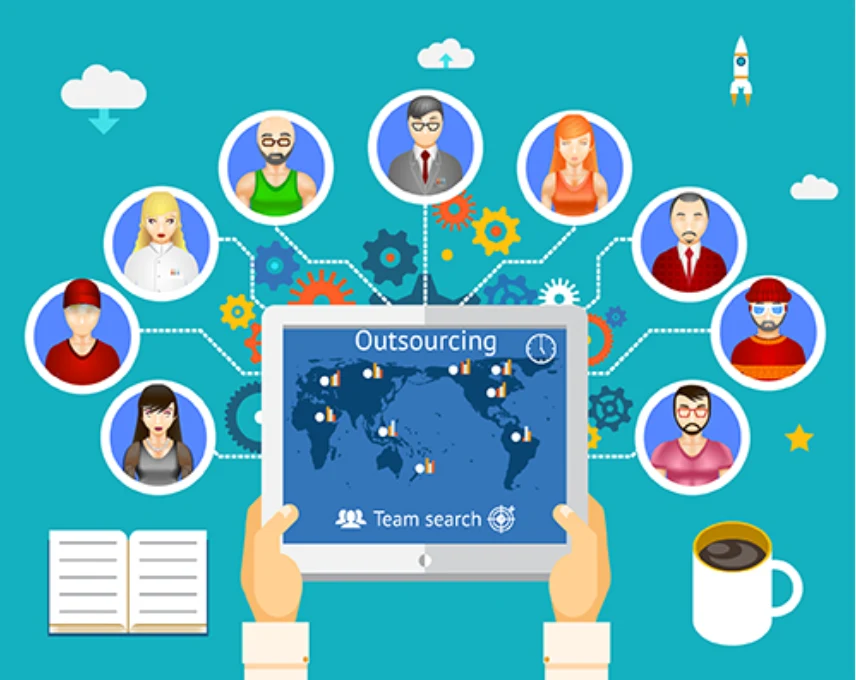
Businesses are being forced to outsource due to the global tech talent shortage. According to 73% of businesses, they struggle to locate tech talent. The IT outsourcing market will reach $689B by 2027.
Firms like IBM are training 30M people by 2030 to bridge the gap.
Key Developments:
● IT Outsourcing Market: $689B by 2027.
● Top Destinations: India, Ukraine, Philippines.
● IBM’s Plan: Train 30M people by 2030.
Business Impact:
● Cost savings (up to 60%)
● Access to niche skills
2.11 Quantum Computing: The Next Frontier

While still emerging, quantum computing will revolutionize encryption, drug discovery, and AI. Companies investing now will lead the next decade.
Key Developments:
● Google’s Quantum Supremacy: Solved a problem in 200 seconds (vs. 10,000 years for supercomputers).
● IBM’s Roadmap: 1,000+ qubit quantum computer by 2025.
Business Impact:
● Breakthroughs in logistics, finance, and cybersecurity
● Threat to current encryption methods
● DevSecOps prevents breaches saving millions.
● PWAs and microservices enhance user experience.
● Blockchain and IoT unlock new business models.
Firms ignoring these recent
trends in software development
risk obsolescence.
3. Conclusion
The software development diligence stands at a vital crossroads in 2024-2025. The 11 transformative trends we have explored-from AI-powered development to quantum computing's implicit- represent further than technological shifts; they signify a abecedarian change in how businesses must operate to remain competitive.
crucial takeaways for forward-allowing associations
● AI adoption is creating a new paradigm where human creativity combines with machine effectiveness
● Security can no longer be an after thought-DevSecOps must come standard practice
● Architectural decisions (cloud-native, microservices, PWAs) now directly impact scalability and user experience
● The talent landscape demands innovative solutions, from upskilling to strategic outsourcing
Businesses who proactively adjust to these changes stand to benefit from:
✔ A quicker time to market (30–40%) thanks to AI tools
✔ Stronger security postures (60% cost reduction in vulnerability remediation)
✔ Greater business agility through cloud and modular architectures
Those who hesitate risk:
✖ Mounting technical debt
✖ Security vulnerabilities (average breach cost: $3.58M)
✖ Competitive obsolescence as agile competitors advance
The question isn't if these changes will affect your business, but how quickly you can harness them. The future belongs to organizations that view custom software development service not as a cost center, but as a strategic driver of innovation. Will your business lead this transformation or struggle to catch up? The time to decide is now.
Meet the Author

Co-Founder, Rytsense Technologies
Karthik is the Co-Founder of Rytsense Technologies, where he leads cutting-edge projects at the intersection of Data Science and Generative AI. With nearly a decade of hands-on experience in data-driven innovation, he has helped businesses unlock value from complex data through advanced analytics, machine learning, and AI-powered solutions. Currently, his focus is on building next-generation Generative AI applications that are reshaping the way enterprises operate and scale. When not architecting AI systems, Karthik explores the evolving future of technology, where creativity meets intelligence.