1. What are Mobile Application Development Services?
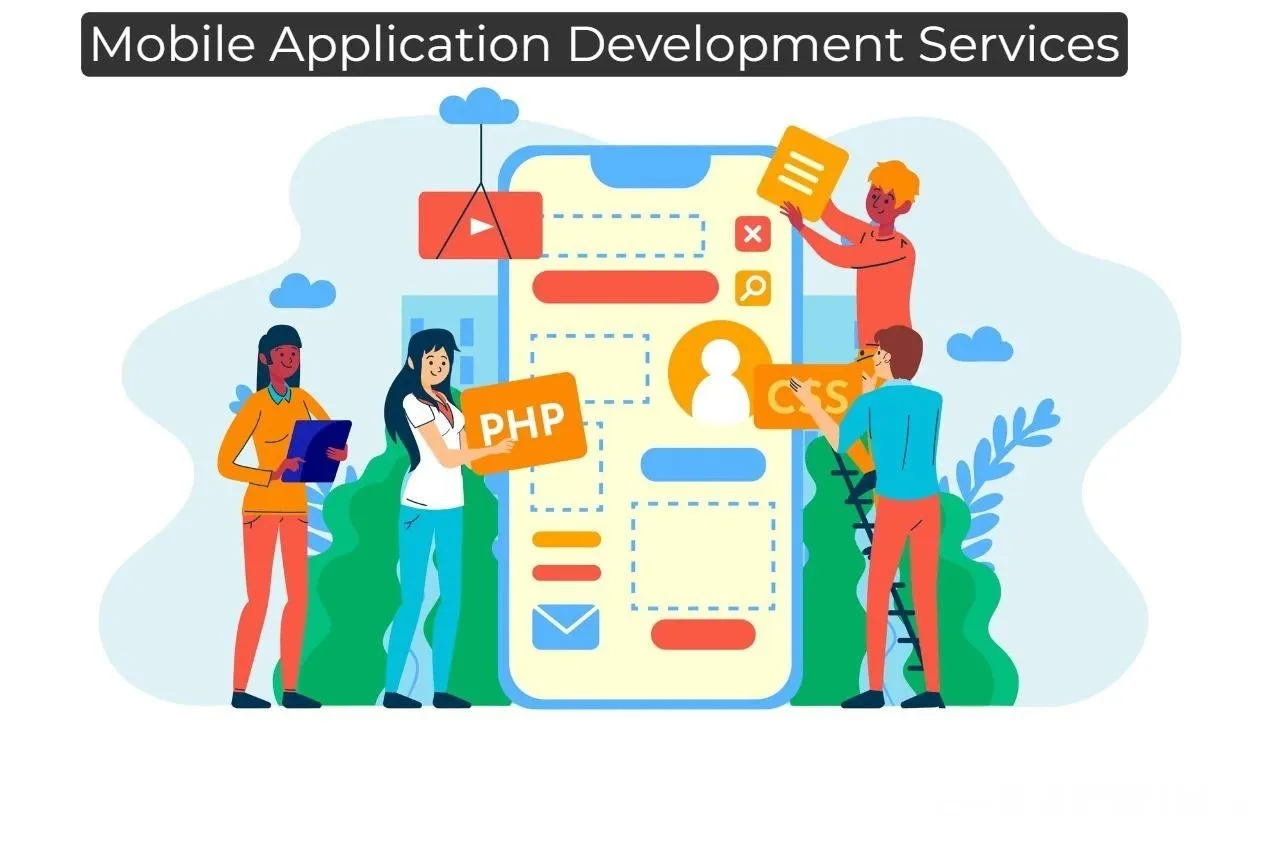
The term mobile application development describes the creation of software tailored to run on devices such as smartphones, tablets, and wearable tech. These applications may either be pre-installed on a device, downloaded from an app store, or accessed through a mobile browser. In this article, we will familiarize you with everything you need to know about
mobile app development
. We’ll explore what it involves, why it’s essential in today’s business landscape, and how to build
custom mobile applications
by collaborating with external development partners. Let’s get started.
2. The Growing Importance of Mobile Applications
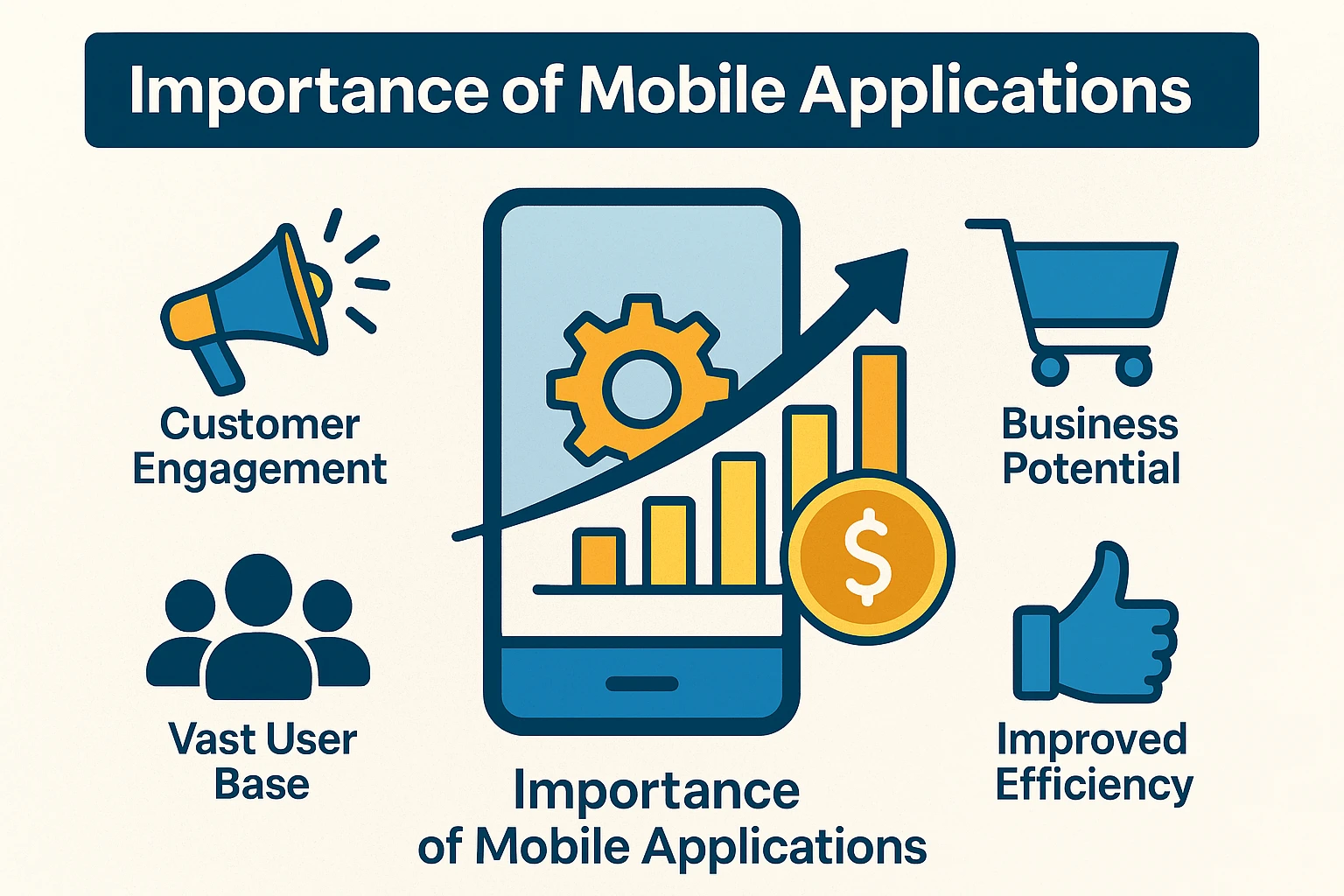
- Since smartphones gained popularity a little over a decade ago, mobile app development has turned into a burgeoning $206.85 billion industry. Nowadays, mobile apps are ingrained in everyday life, intertwined with all aspects of life, including how we work, shop, and talk to others etc. Some statistics below depict how far-reaching and impactful mobile apps have become:
- Smartphones are the most commonly used personal electronic device, with over 6.8 billion users globally
- In 2022, users downloaded approximately 255 billion mobile apps, and games were included in that estimation as well.
- On average, a smartphone user spends about five hours per day using mobile applications, amounting to over 11.2 billion hours being used every day collectively.
- Google Play has 3.55 million apps available, the Apple App Store has 1.64 million apps, and the Amazon Appstore has nearly 500,000 apps
3. Types of Mobile App Development
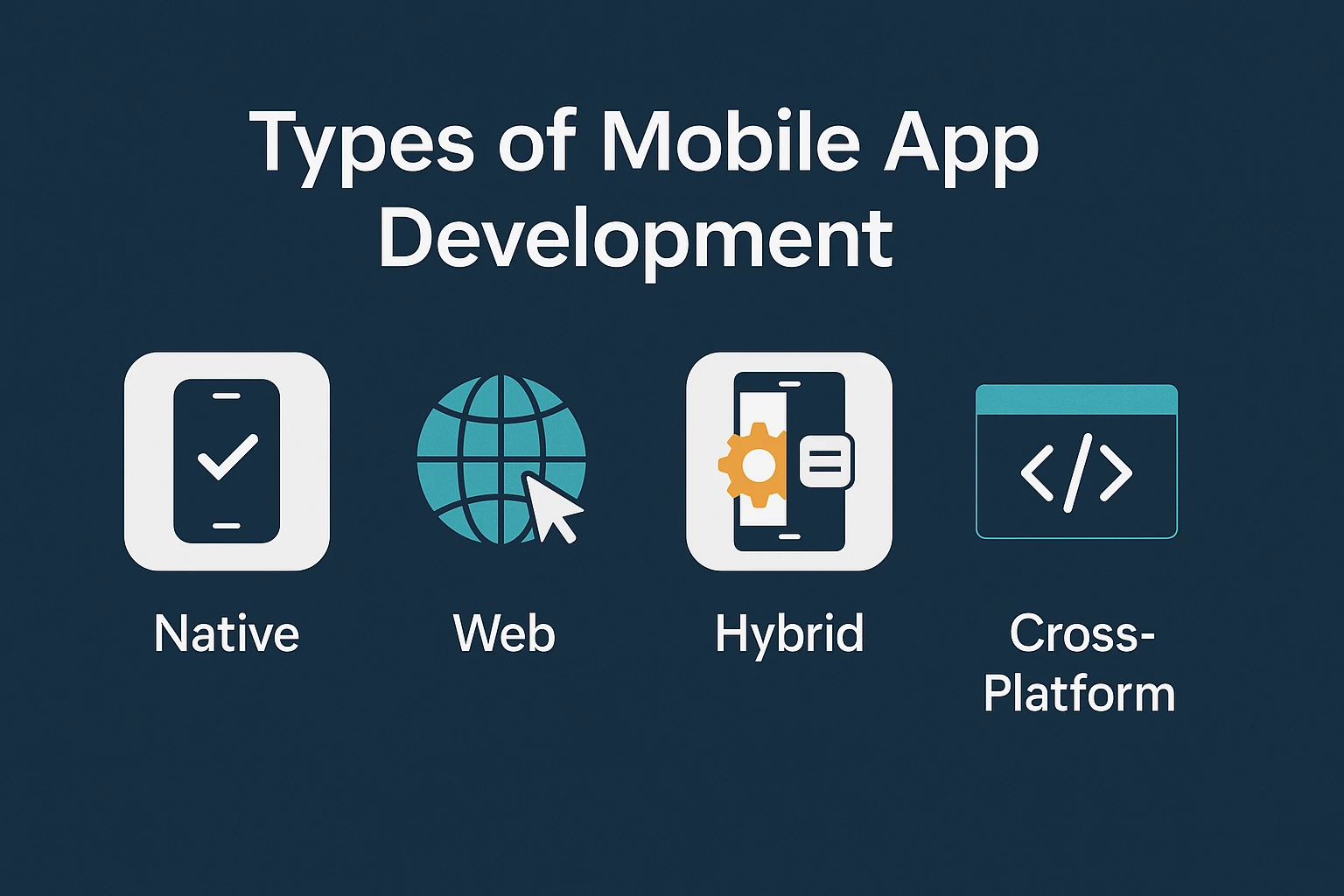
Several approaches may be used to develop mobile apps, which can serve different needs and use cases. Native, web, hybrid, and cross-platform—these are the four essential types of mobile applications. Each type of application has its own development method, pros and cons, and ideal use cases. Below is an overview of these four types of mobile app development, noting when and how they differ.
3.1 Native Application Development
Native apps are created for specific platforms, ensuring optimal performance on that particular operating system. For instance, an application developed for Android will not operate on the iOS platform (and vice versa). In addition to iOS and Android, you will also need to develop separate native applications for platforms such as Windows Phone or BlackBerry. Native apps are optimized for their target devices, allowing them to access all system resources and provide a smoother, more powerful experience than hybrid or web-based alternatives.Furthermore, the UI of a native application will follow the corresponding platforms UI guidelines, providing a certain level of consistency in the user experience. Native application development has one major disadvantage. Each app would need to be developed from scratch for each mobile device platform, thus increasing development time and cost. There is an additional challenge relating to updates and improvements of the app, because developers will need to maintain more than one app and will have to maintain each set of the app on multiple platforms. Best use case:
Native application development
is best for Apps that need maximum usability, functionality, user experience, and integration.
3.2 Web Applications Development
Web applications are accessed via a browser from your mobile, as opposed to being installed or downloaded. Web applications are created using several web technologies (i.e. HTML, JavaScript, PHP, CSS) and operate like a responsive website, which will automatically resize to fit various devices and screen sizes. A specialized subset of this category (web-based) is called Progressive Web Apps (PWAs). PWAs try to emulate the look and feel of a native app in terms of design, performance, and functionality by operating inside special browsers that use advanced APIs. Web apps offer the benefit of working across a wide range of devices since they run directly in a browser. Nevertheless, the complete user experience and performance of the application can vary and be limited to the features of the browser in which it operates. Web application development can also be a solid way to build mobile-friendly versions of an existing website or service, for instance, a service the end user may have been using for many years.
3.3 Hybrid App Development
Hybrid apps are web-based applications designed to mimic certain native app features. They do not open in a traditional web browser, but instead open in a native container, which employs an embedded, hidden web browser to present the content. This gives hybrid applications access to device functionality through APIs.Hybrid apps represent the best of both native app and web-based app development by providing flexibility and code sharing while delivering an experience that feels native. Hybrid apps are also often modified with a significant amount of testing, which requires a lot of time to make them work and appear the same. The complexity may negatively impact efficiency. Hybrid development is a low-cost option for developing applications with dynamic web content, integration with web services, access to the local device functionality set, and offline capability.
3.4 Cross-Platform App Development
Cross-platform app development enables the creation of apps that work seamlessly across various operating systems. There are a couple of different strategies that can be taken to achieve this: web apps and PWAs, or a hybrid of each type into an app that is capable of running across multiple platforms. Or developers can use dedicated frameworks, such as React Native, Xamarin or Flutter, to develop apps that have the look and usability of a native app, while achieving overall compatibility. The principal advantage to this form of app development is efficiency; an app is built in one codebase that can run across all devices and operating systems, which ultimately saves development time, cost, and complication. On the flip side, if not designed well, cross-platform apps may experience performance issues or even variations in user experience across devices. This approach to app development is particularly useful for those apps designed for a large or varied audience, or one that serves multiple markets.
4. Advantages of Mobile Application Development Services
Several approaches may be used to develop mobile apps, which can serve different needs and use cases. Native, web, hybrid, and cross-platform—these are the four essential types of mobile applications. Each type of application has its own development method, pros and cons, and ideal use cases. Below is an overview of these four types of mobile app development, noting when and how they differ.
4.1 Expertise and Experience
Development companies provide specialized knowledge and applicable years of experience. Their technical knowledge ultimately means that your app should be built on the best tools, frameworks, and industry practices - thereby ensuring the app is extremely high quality, secure, and scalable.
4.2 Custom Solutions
Whether you require a customer-facing application, an enterprise solution, or an app somewhere in the middle, application development solutions will tailor the work to fit the explicit business goals, user needs, and technology requirements of your business.
4.3 Faster Time-to-Market
Due to dedicated teams, structured workflows, and using agile methodologies, development partners can reduce the time frame for launching your app, providing the competitive advantage of being the first to market, reaching your users, and maximizing opportunity.
4.4 Cost-Effectiveness
By outsourcing your app development, you no longer pay to recruit and onboard an internal team. You will only pay for what you need, which can drastically trim your operational and HR budget.
4.5 Support After Launch
Most development agencies will offer support to you, including maintenance, updates, and performance monitoring to guarantee your app works as advertised. Most dev agencies offer ongoing maintenance and support with operating system updates, scaling it if needed, and fixing bugs
4.6 Focus on Core Areas
Once you outsource the technical work, your internal teams can focus on core areas such as marketing, customer engagement, and business development
4.7 Access to Up-to-date Technology
Agencies stay up to date on burgeoning technology so they can apply the latest technology to your app, including AI, advanced analytics, cloud technology, and even IoT features.
5.Selecting the Right Mobile App Development Partner
Transforming a mobile app concept into a successful app goes beyond just writing code; finding the right partner means finding the right mix of technical support, experience, and being on the same page with their vision. For these reasons, choosing the right partner is critical. Dont just pick the first developer you find. Take the time to find the right team and take the time to evaluate your options. Here are some key points to consider when choosing a
mobile app development company.
5.1 Experience
Look into the overall team experience on mobile app development, similar applications. The more experience the developer has in mobile app development, the better the experience and technical skills the developer should have to solve any mobile app-related issues.
5.2 Cost
As much as a budget matters, price should not be the driving decision factor. Rather it should be the overall value, and think about the deliverables, quality of work, turnaround time, and capacity for post-app development, maintenance, and support
5.3 Portfolio/Previous Projects
Review the developer portfolio to see what their skills are and what kind of design sensibility they have. Also, make sure, if possible, that there are applications in their portfolio that are relevant to the industry or the outcome of your application
5.4 Technology Stack
Inquire about the frameworks, programming languages, and tools they have in use. A modern and solid team will have a technology stack that offers higher performance and scalability. Cross-platform app development enables the creation of apps that work seamlessly across various operating systems. There are a couple of different strategies that can be taken to achieve this: web apps and PWAs, or a hybrid of each type into an app that is capable of running across multiple platforms. Or developers can use dedicated frameworks, such as React Native, Xamarin or Flutter, to develop apps that have the look and usability of a native app, while achieving overall compatibility. The principal advantage to this form of app development is efficiency; an app is built in one codebase that can run across all devices and operating systems, which ultimately saves development time, cost, and complication. On the flip side, if not designed well, cross-platform apps may experience performance issues or even variations in user experience across devices. This approach to app development is particularly useful for those apps designed for a large or varied audience, or one that serves multiple markets.
5.5 Industry Expertise
Some developers play a role in particular verticals such as healthcare, fintech, or ecommerce. Having a partner with some experience in your industry can help provide a better understanding of your needs, as well as necessary compliance.
5.6 User Focus
A solid development partner will listen, work with you, and provide a custom solution that meets your business needs.
5.7 Team Composition and Capacity
Ensure the company has enough resources and specialists — designers, QA testers, etc. — who can deliver your project.
5.8 Quality and Assurance
Look for companies that will stand behind their work with assurances around timelines, security, maintenance, and satisfaction.
5.9 Reputation and Credibility
Research client reviews, third-party sites, and case studies to start building a bigger picture before approaching a company.
6.Conclusion
Before diving into the development process, you should take a moment to understand the key differences between consumer apps and enterprise solutions. You need a mobile app to reach millions of users or a mobile app to enable your teams internally, it is incredibly helpful to understand the app development process. In this article, we will aim to leverage our hands-on experience to walk you through the process of developing consumer and enterprise mobile applicationsLaunching a mobile app is a strategic move for any business. Your app may generate direct income via monetization or simply improve your customer service, increase accessibility, or help streamline operations. Whatever your vision for your app, you can undoubtedly unlock tremendous value from a well-designed app. But the success or failure of your mobile app will depend on your development process, and the skill level of the team behind the development will determine the success. Avoid taking shortcuts in the development process. Our recommendation is you locate skilled professional mobile application development services for your next project, which will provide you with a leading-edge application that meets your goals, remaining productive for the end-user as well.
Source used● Statista: Smartphone users worldwide – statista.com● Data.ai: 2022 Mobile App Downloads & Usage – data.ai● Statista: Number of apps in major app stores – statista.com● Clutch: Small Business Mobile App Development Survey – statista.com
Meet the Author

Co-Founder, Rytsense Technologies
Karthik is the Co-Founder of Rytsense Technologies, where he leads cutting-edge projects at the intersection of Data Science and Generative AI. With nearly a decade of hands-on experience in data-driven innovation, he has helped businesses unlock value from complex data through advanced analytics, machine learning, and AI-powered solutions. Currently, his focus is on building next-generation Generative AI applications that are reshaping the way enterprises operate and scale. When not architecting AI systems, Karthik explores the evolving future of technology, where creativity meets intelligence.