1. Complete Roadmap to the Mobile App Development Process
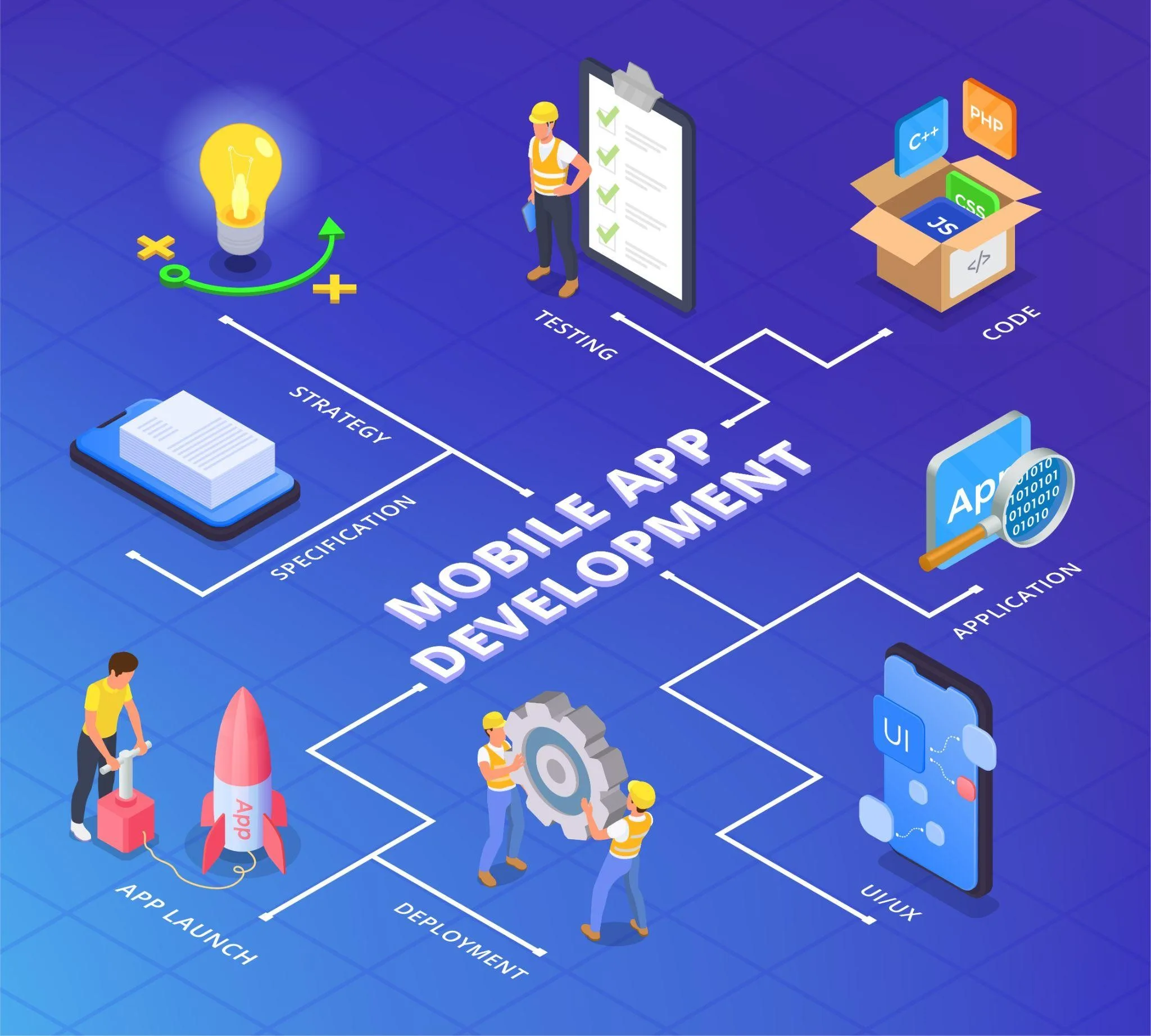
Every day, there are more mobile apps hitting the marketplace. There are more mobile devices than people today, which explains why mobile app revenue is expected to reach $233 billion by 2026. So, with that kind of forecast, it is not surprising that more business initiatives are investigating
mobile app development
. Some companies want to create the next big consumer app, similar to TikTok or Zoom, and tap into a ton of users and revenue. Other companies want to make enterprise apps for inside the business, to improve operations, cut costs, and become more efficient overall.
2. Consumer Mobile Apps vs. Enterprise Mobile Apps
Before diving into the development process, you should take a moment to understand the key differences between consumer apps and enterprise solutions. You need a mobile app to reach millions of users or a
mobile app
to enable your teams internally, it is incredibly helpful to understand the app development process. In this article, we will aim to leverage our hands-on experience to walk you through the process of developing consumer and enterprise mobile applications.
3. Seven Essential Stages of the Mobile App Development Process
The mobile app development journey may differ slightly depending on the needs of the project, most successful apps experience the following seven primary phases. .
- 1. Strategic Planning
- 2. Research and Planning
- 3. UI/UX Design
- 4. App Development
- 5. Mobile App Testing
- 6. Deployment
- 7. Long-term Support and Prrformance
Monitoring of these phases is vital to the development of an app that is functional, user-friendly, and commercially viable. Keep reading as we take you through each phase in detail—and offer key considerations to help make sure your app development process runs smoothly and successfully from start to finish.
3.1 Strategic Planning
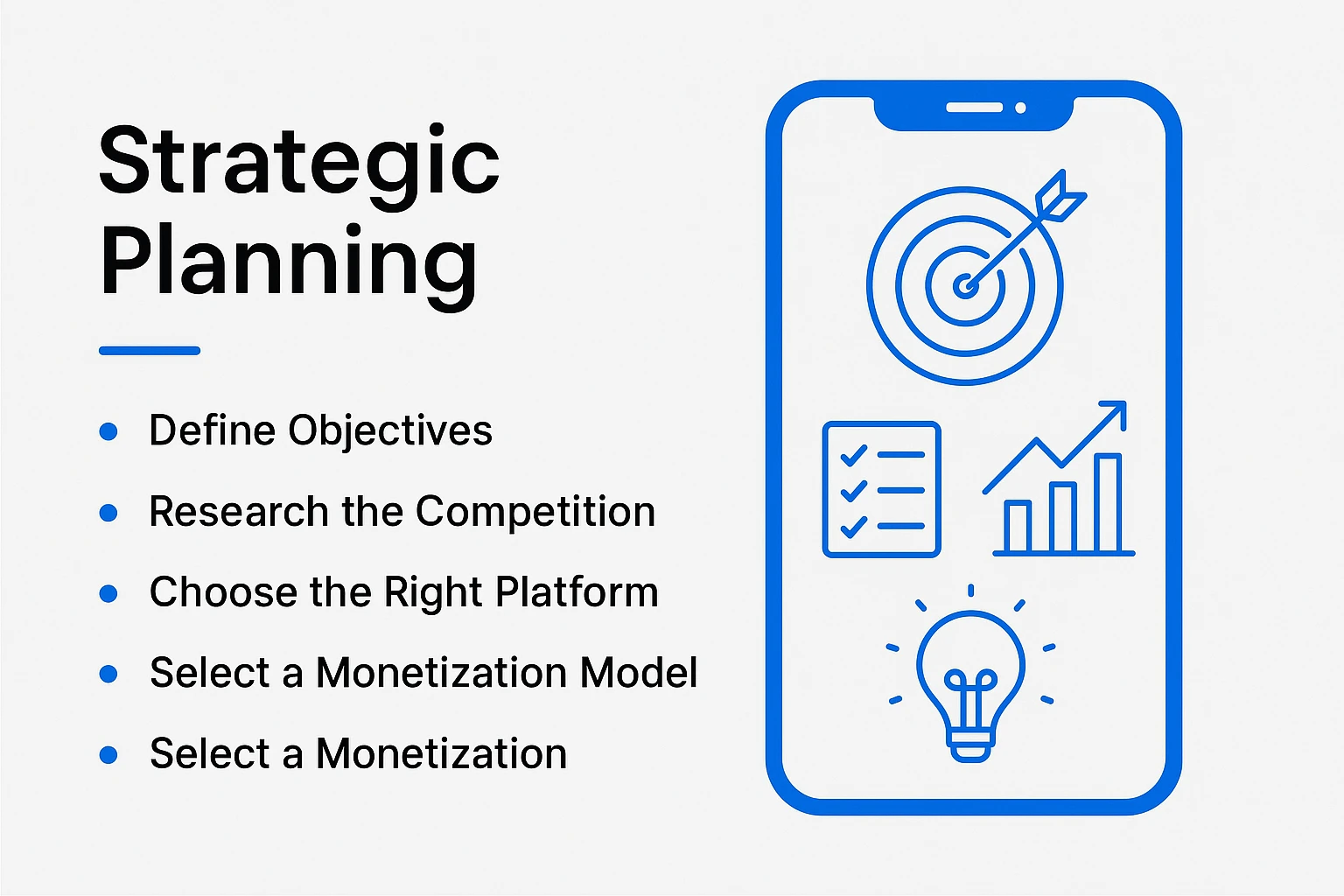
Developing a strategy is the first crucial step in building a mobile app.This is when you start to shape what your app will become by defining its purpose, objectives, features, and business model
3.2 Research and Planning
Once you have developed your app strategy, have conducted your early research, the next phase is to move into phase three, or your analysis and planning phase. This stage is where your idea starts to take on a more tangible aspect and sets the foundation for design and development.
3.3 UI/UX Design
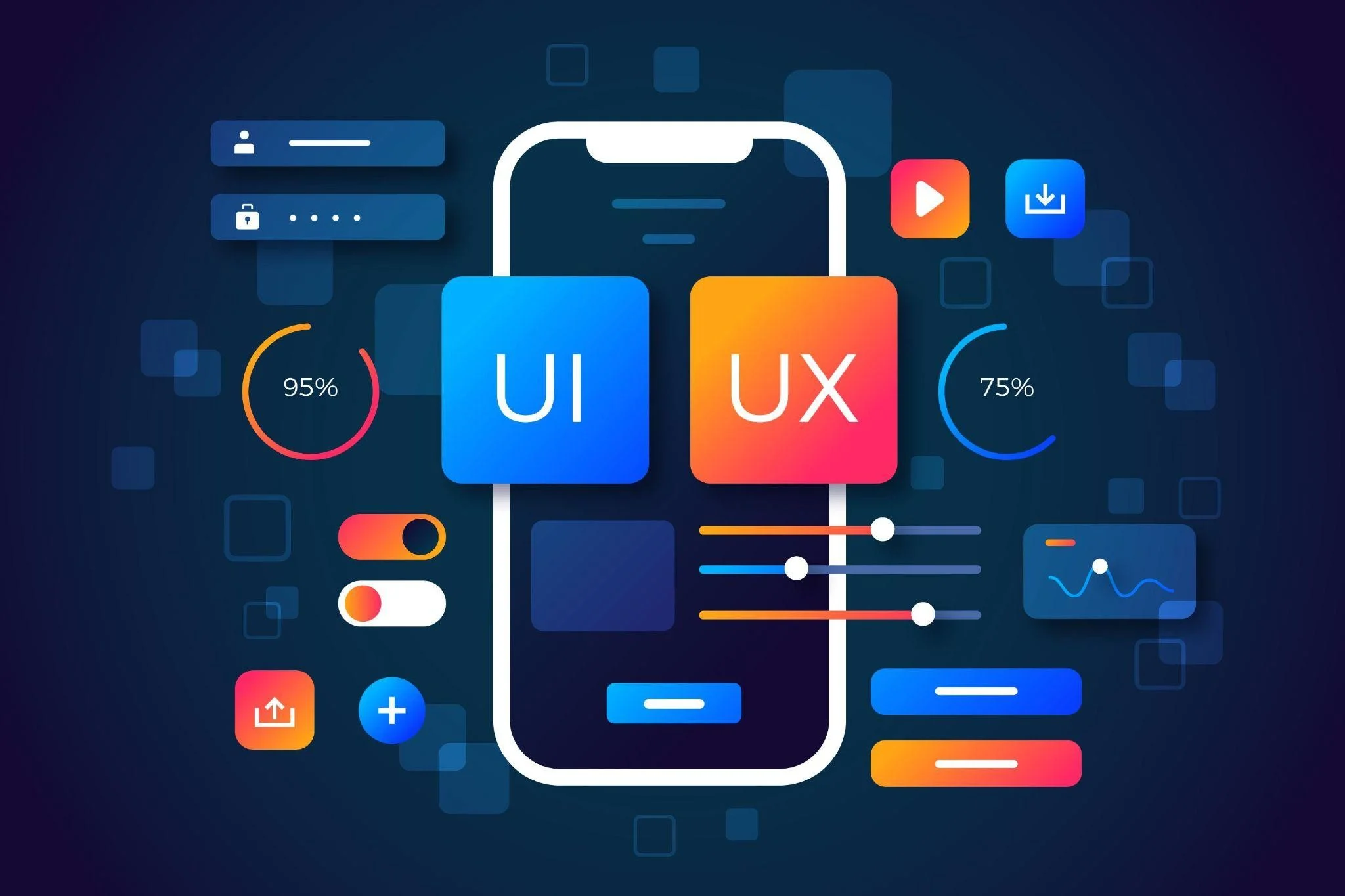
Strong design is a key contributor to the success of any mobile app. If the design is cluttered and confusing, chances are people will abandon it for a better-designed app. So, the best way to have an app that people will use frequently is to have a user interface and experience that is fluid, easy to learn, and fun to use.Let break down some of the elements of the UI/UX design process:
3.4 App Development
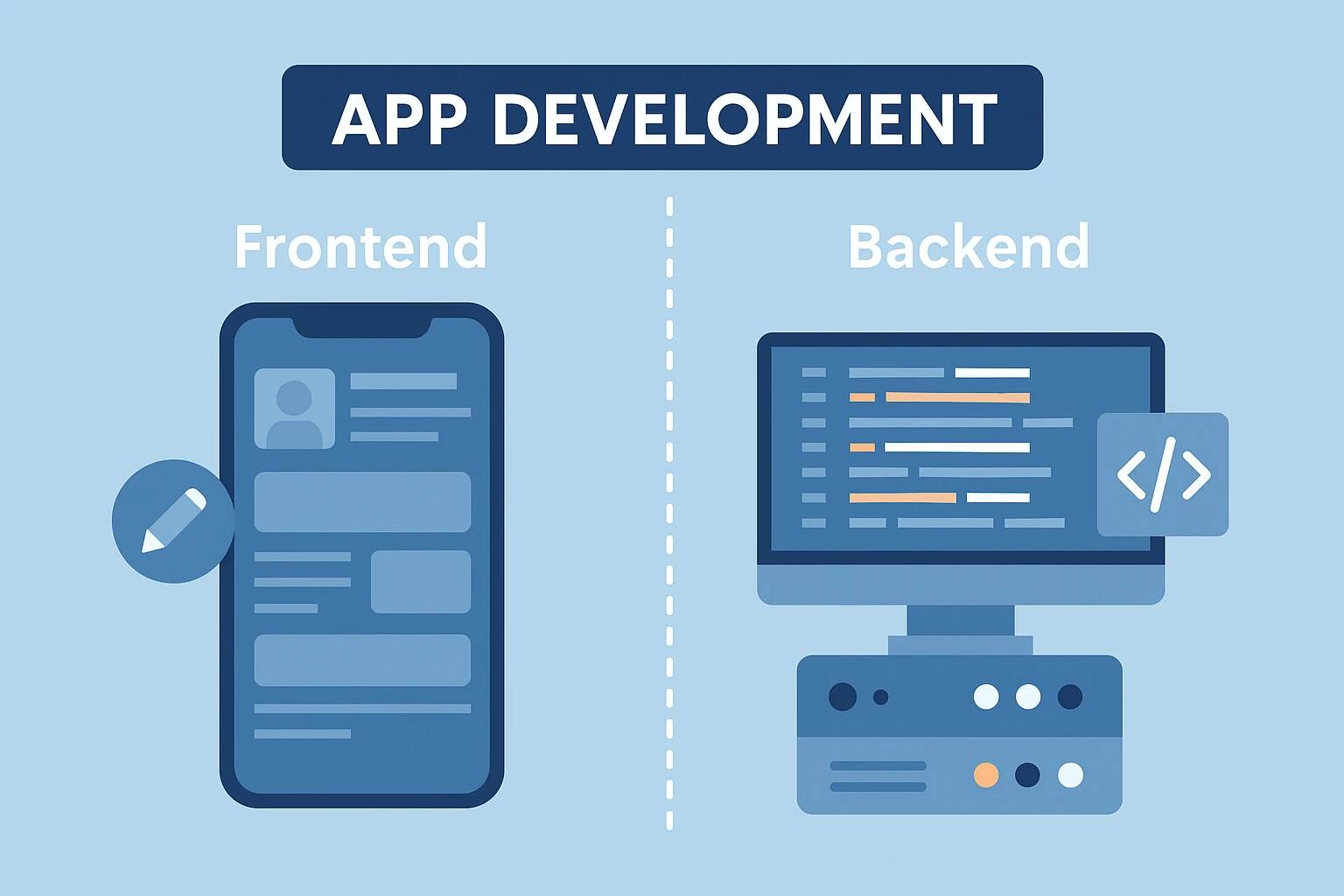
Now that your design is complete, it is time to move into the development phase, which is arguably one of the more important steps in launching your mobile app. During this phase, we will usually have two main components:The backend and The frontend.
3.5 Mobile App Testing
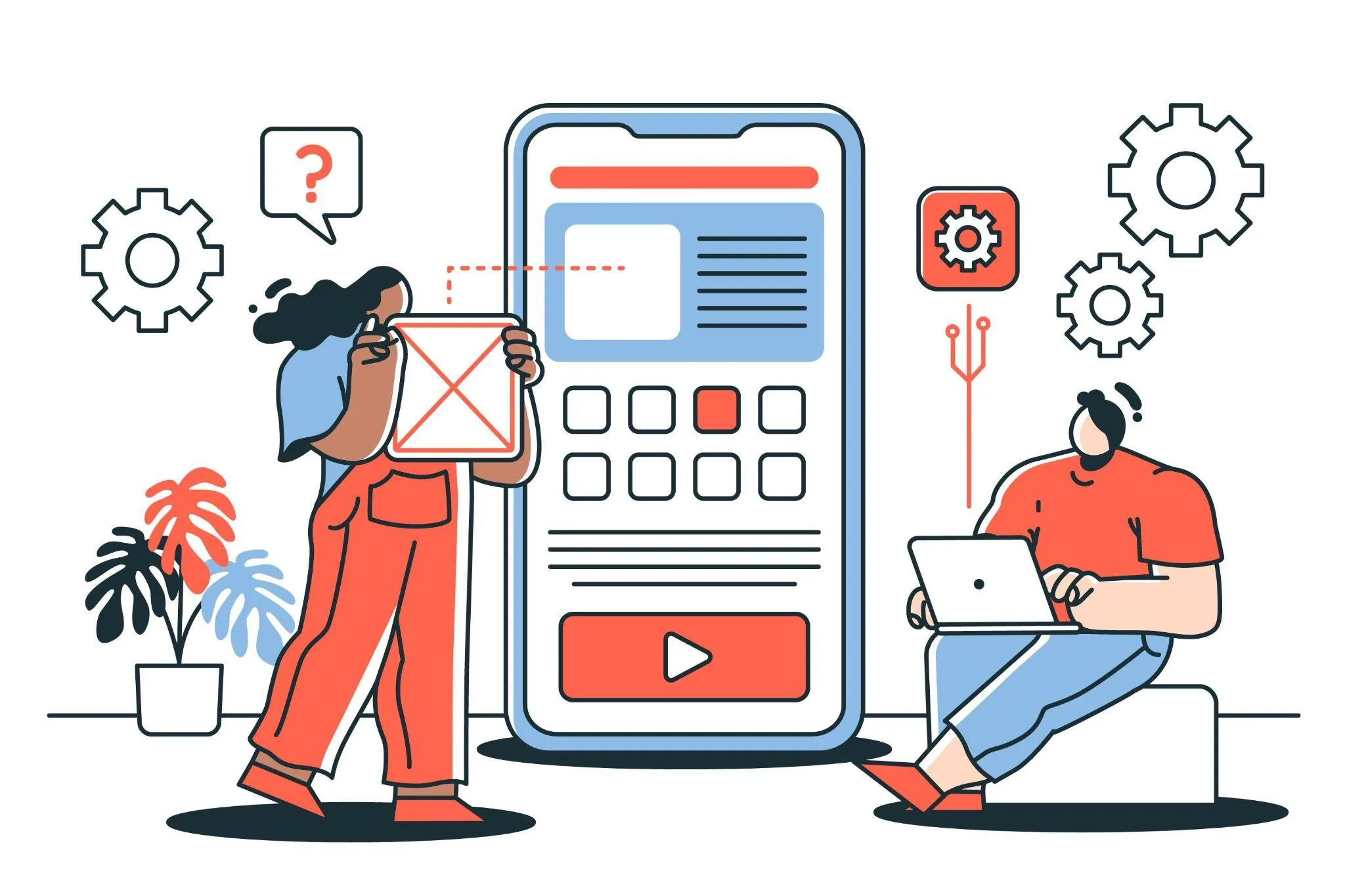
When the development phase is over and you’ve debugged your app, the next major stage is testing. This step will ensure your app is trustworthy and safe and that you have addressed any major bugs prior to launch in the production environment. To feel confident that your app is a quality product, I suggest going through these five types of tests:
3.6 Deployment

Once your app development and testing have been completed, it is time to launch your app into the world! The deployment of the application will depend on your distribution platform - whether that will be iOS, Android, or for private distribution. When the application is deployed as a public app, you will need to submit that app to the Apple App Store or to the Google Play Store. Each platform has different policies and processes for app submission and review. You all need to provide comprehensive details about your app—such as its description, screenshots, and relevant keywords—complete several forms, and then wait for an undefined period while it undergoes review and approval before going live.Note - it is likely that Apple is going to have a higher standard for the app to be approved into the App Store, so it is helpful to be aware of the guidelines and follow them to prevent having to go back to the drawing board.If you are deploying an internal or enterprise application, private distribution may be the best route to take—especially if the application is intended for use by a small group of users or solely in-house.
3.7 Long-term Support and Performance
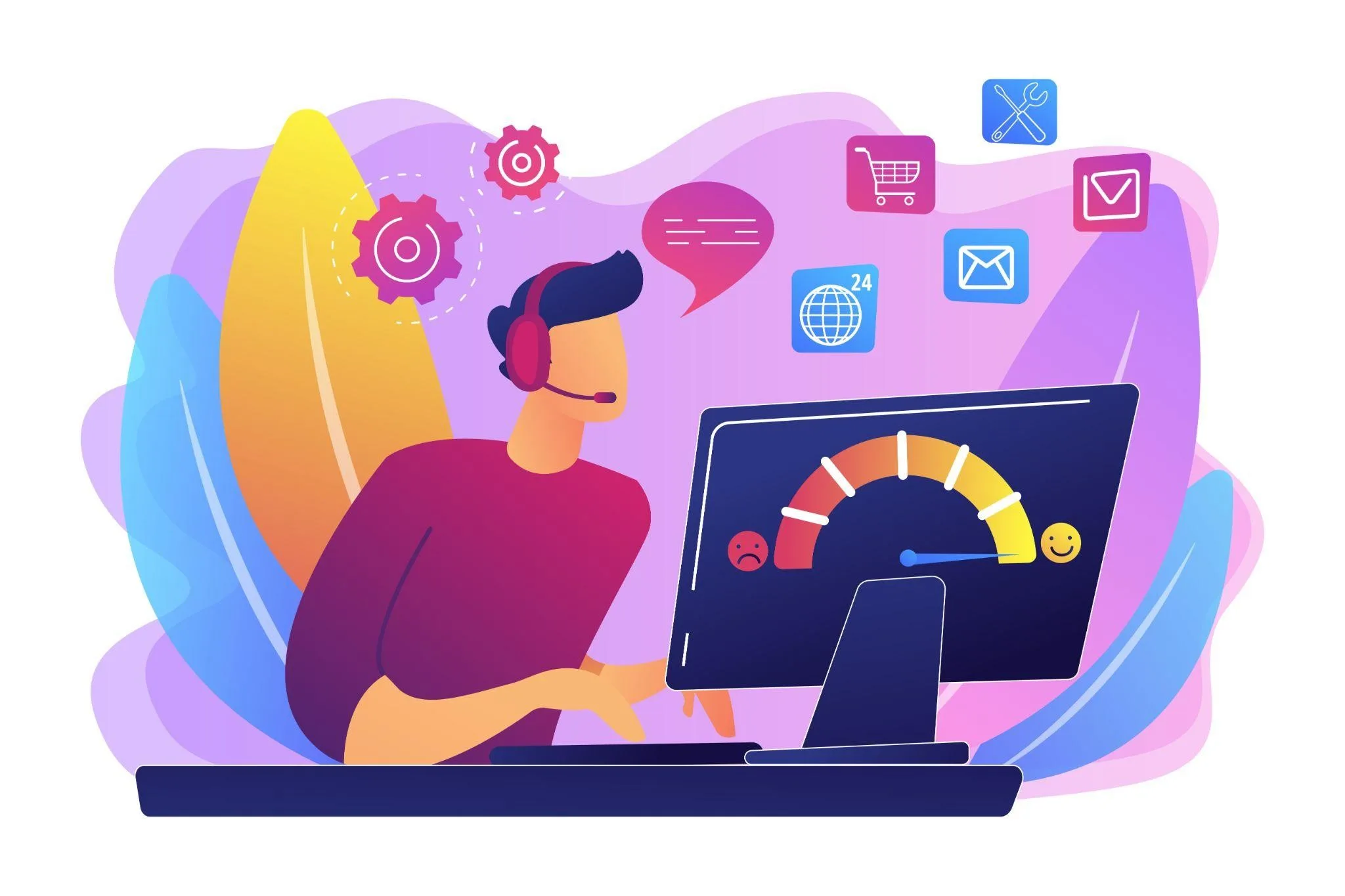
When your app launches and starts getting downloads, your focus will shift to performance monitoring. Do not overlook this stage — in many cases, performance tracking may require more time and attention than the development of the app itself, and it never stops.
Here are the KPIs you should focus on:
- ● App downloads
- ● Active users
- ● Average visit time
- ● Retention
- ● Churn
- ● Conversions
- ● Customer lifetime value
- ● Ratings
- ● Reviews
In addition, you will monitor crashes, bugs, user feedback, and performance on the app. This data will be valuable for you during the ongoing iterative process in improving the user experience.Keep in mind, launching the app is just the beginning. Mobile apps require updates to keep compatibility with evolving and changing operating systems and to comply with store guidelines and performance. If you are not regularly updating and taking precautions, your investment will disappear quickly. You also want to consider how you will maintain the app as it continues to function. You can perform ongoing updates in-house or hire a reliable development partner. The software development company you partner with will be able to provide post-launch app maintenance to help you respond to app updates in a timely manner.
Meet the Author

Co-Founder, Rytsense Technologies
Karthik is the Co-Founder of Rytsense Technologies, where he leads cutting-edge projects at the intersection of Data Science and Generative AI. With nearly a decade of hands-on experience in data-driven innovation, he has helped businesses unlock value from complex data through advanced analytics, machine learning, and AI-powered solutions. Currently, his focus is on building next-generation Generative AI applications that are reshaping the way enterprises operate and scale. When not architecting AI systems, Karthik explores the evolving future of technology, where creativity meets intelligence.