1. How to Create an App from Scratch in 9 Easy Steps
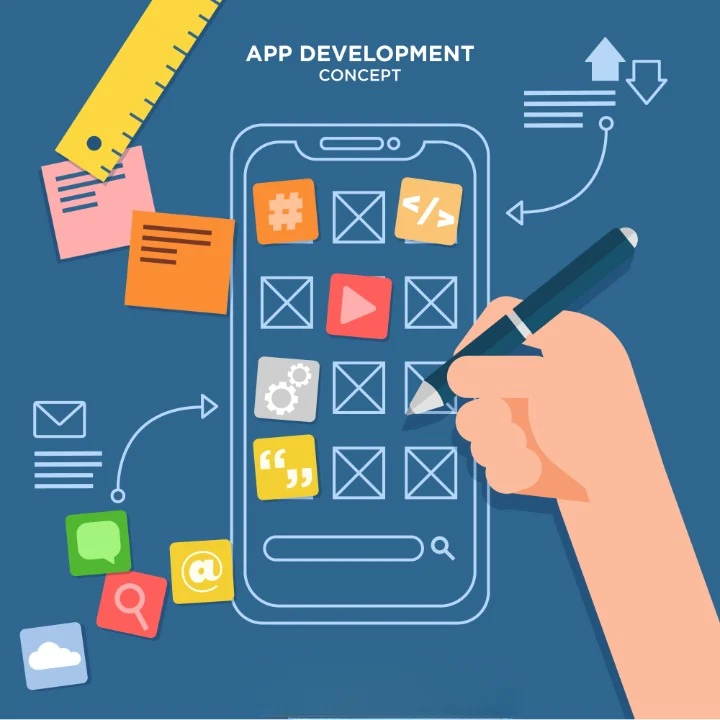
9 Simple Steps to Build a Mobile App from Scratch
You have an amazing mobile app concept. You recognize there is a demand for it, and your users are waiting. You believe it has the potential to be profitable. But the question is—how do you go about creating that idea into an actual, operational app? What are the steps to build an app from scratch? And how much does it cost?
Being a high-level app development company, these are some of the most frequently asked questions we receive from our clients over and over again.
- I have an app idea—where do I begin?
- What goes into creating a mobile app?
- How do you take an app from just an idea to actually launching it?
- What are the essential things you need to build a successful app?
- How do you actually write and develop a mobile app?
- What do you need to create an app for smartphones?
- What’s the process for building an app completely from scratch?
With years of experience serving more than 500 clients, we've learned the ins and outs of mobile app development . That's why we've created this detailed, step-by-step guide to assist you in designing, developing, and launching your mobile app successfully. Ready to make your idea a reality? Let's take a look at the essential steps to create an app from the ground up.
9 Simple Steps to Develop a Mobile App
Use these nine critical steps to effectively create your own custom mobile app
StepPhase TitleWhat It Involves1Define Your App's PurposeFigure out what your app is meant to do and who it's for.2Outline Key FeaturesList and rank the main functionalities according to user requirements and technical viability.3Analyze the CompetitionResearch comparable apps to identify gaps, strengths, and areas for your differentiator.4Create WireframesSketch out the layout and user flow of the app to see the interface and experience come to life.5Select a Development PlanDetermine in-house, outsourced to an agency, or a hybrid solution.6Begin DevelopmentBegin development for Android, iOS, or both—focusing on features, UI/UX design, and backend integrations.7Test ExtensivelyRun manual or automated tests to find bugs and improve the app's performance and user experience.8Launch Your AppMake sure your app is ready for launch on the App Store or Play Store by polishing up your listings.9Promote & Market AppCreate a marketing strategy that leverages multiple channels to effectively engage and reach your target audience.
.
Step 1: Start with "Why": Define the Purpose of Your App
Developing a mobile app requires time, effort, and resources, so it's one of the most important steps in the development process to get crystal clear on why you're doing it.
If your goals are unclear, chances are, the end result won't be either.
The first thing you need to do when developing your app is figure out its main purpose. Consider successful apps such as WhatsApp or Facebook—they both have a clearly defined function, and that's why they appeal so much to their users.
To assist you in determining your purpose, ask yourself:
What am I attempting to fix with this app?
Why do I need to develop this app for my business or users?
Knowing the "why" lays the groundwork for all that comes next. Not only does it make the app development process easier, it can also decrease the overall cost and time of app building. Though there may be numerous reasons one might want to build an app, all great apps have something in common: value is delivered through a match between user need and business objectives. Before diving into development, set aside time to establish your top goal. Start by considering your end-users. At the end of the day, individuals care about how your app adds value to them. Regardless of channel—online or off—the users automatically wonder, "What's in it for me?" If your app isn't conveying obvious value in a matter of seconds, retaining users is a daunting problem.
A well-built mobile app can bring a lot of benefits to your business:
- ✅ Increased customer retention
- ✅ Lower costs of operation
- ✅ Higher ROI
- ✅ Better productivity
- ✅ Enhanced brand reputation and online visibility
If you're developing an app for your business, it’s worth asking yourself:
Which sector of my business would most greatly benefit from an app?
What particular issue will this app resolve?
What are the outcomes that I hope to gain by launching this app?
By answering these questions upfront, you set yourself up for a strategic and effective mobile app development process.
Step 2: Plan Your App Core Features and Functionality
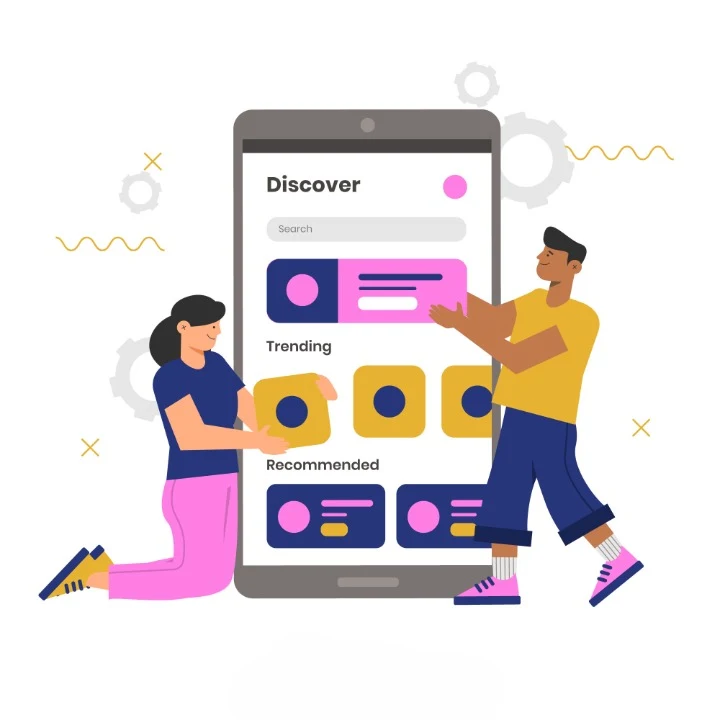
After your app objectives are well defined, the second most important step is to plan its core functionality and features. This step sets the foundation for what your app will actually do—and how well it will serve your users.
Step 3: Do Competitor Research

Do not underestimate the value of research when
creating a mobile app
. Learning early on can assist you in testing your idea, learning what your users need, and refining your feature set more effectively. That why doing proper competitor research is an essential step before you begin to develop.
Step 4: Design Wireframes for Your Mobile App
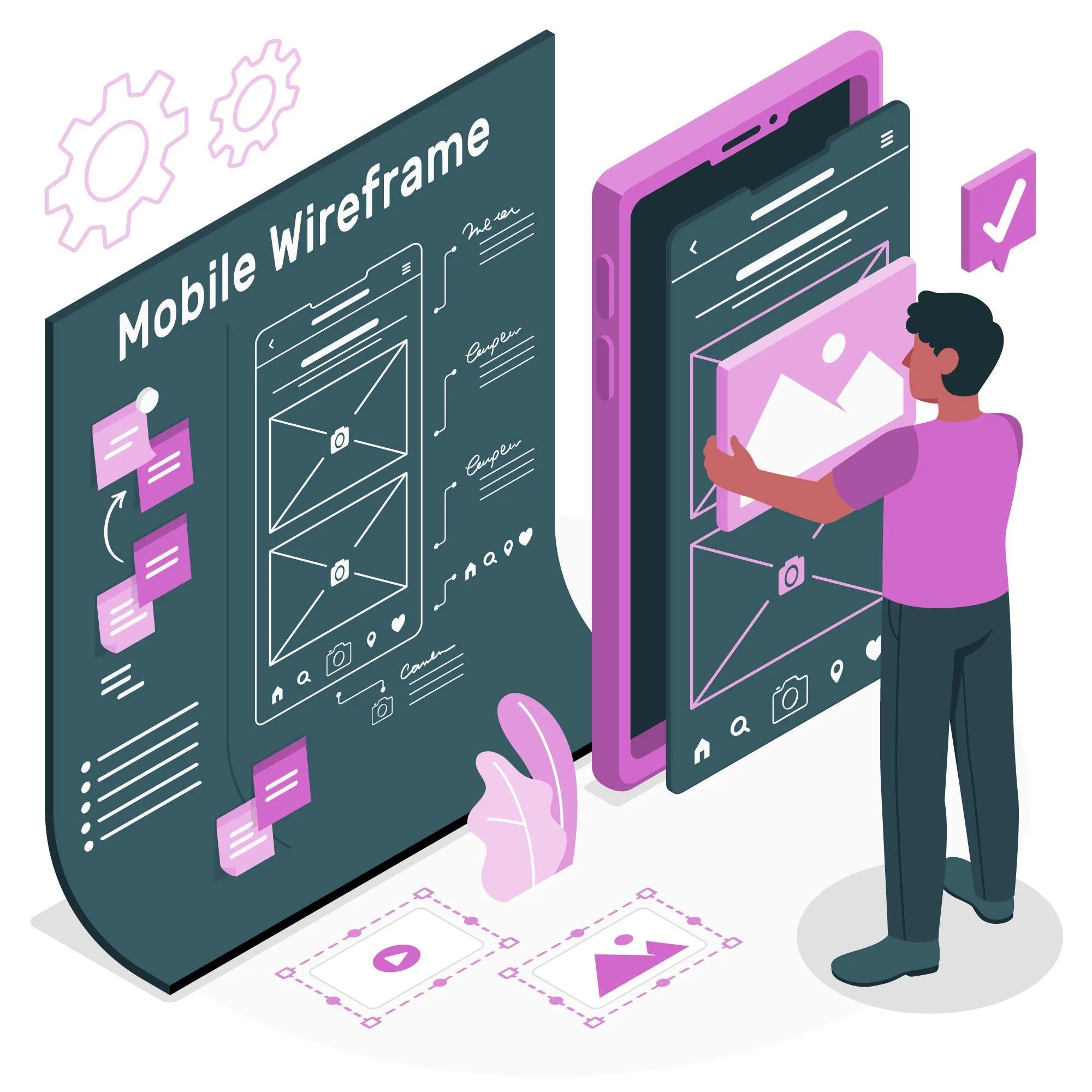
By now, you’ve defined your app’s goals, outlined the core features, and gathered valuable insights through competitor research. The next step is to visually structure your app through wireframing—a critical part of the
mobile app design process.
Step 5: Choose the Right Development Path
Once your wireframes are validated, the next step is deciding how you’ll build the app. It really depends on what you're trying to achieve, how much you're willing to spend, and the tools or skills you have on hand. Let’s explore your options
Step 6: Develop Your Mobile App
Building a high-quality mobile app that addresses every functional requirement and adheres to best practices requires time and attention to detail. As one of the leading mobile app development firms, we suggest keeping the following key points in mind while developing: Remove unnecessary stuff that doesn't help the user perform their fundamental tasks. Don't forget: your content is your interface. A simple, well-designed landing page is necessary to help direct users.
Step 7: Launch Your Mobile App on the App Stores
When your app is fully built and tested, it’s time to share it with the world. Begin by submitting it to the right app store—whether that’s the App Store or the Play Store. Make sure you strictly adhere to all submission guidelines for each platform. There are plenty of tutorials and videos available online that walk you through the app submission process step-by-step, which can also help boost your app store optimization (ASO) score and maximize your app’s visibility. However, getting your app approved isn’t always simple. According to CNBC, over 40% of submissions are rejected by Apple's App Store, while Google Play Store rejects around 55% each year. Common reasons for rejection include app crashes, bugs, missing privacy policies, compatibility issues, and poor usability. That’s why working with an experienced development team makes a big difference. Our team, for example, has successfully published over 2,800 iOS apps and 1,600 Android apps across the App Store and Play Store. Keep in mind: launching your app is just the beginning. After your app goes live, ongoing maintenance becomes critical. Regular updates help prevent problems like security vulnerabilities, performance lags, and sudden crashes. Apps that fail to comply with new store policies or fall behind in software updates often face rejection or removal. By investing in continuous app maintenance, you can ensure your app stays compatible with the latest OS versions, delivers a smooth user experience, and evolves with your users’ needs.
Step 8: Promote and Market Your Mobile App
Another myth is that fantastic products don't need marketing, but this is a long way from reality. Marketing is your voice, informing users about who you are, what your app is all about, and why it's different from the others.
While large corporations may have huge budgets for promotion, if you're new to the scene, you can start by asking yourself three important questions:
- What is the issue my app addresses?
- Who are my target users?
- How can I best reach those users?
- There are lots of simple and affordable ways to get the word out about your app.
- Showcase a banner on your website to highlight your app and motivate visitors to check it out.
- Write and publish a standalone blog post announcing your app
- Send a friendly email to your existing customers to let them know about your new app and how it can help them.
- Make interesting social media posts or videos for channels like Facebook
- Post demo videos on YouTube
- Share updates and tweets on Twitter to get the word out about your app.
After having started these practices, ensure to track KPIs (Key Performance Indicators) to assess your marketing activity and refine them for improved output. Also, collaboration with influencers to highlight your app in pictures, reviews, or videos on their websites will help raise high visibility and downloads considerably. Curious about what happens after your app is launched? In the next section, we'll guide you through the important next steps to continue the momentum.
Step 9: What Are the Key Requirements for Building an App from Scratch?
Before you embark on app development, it's crucial to build a strong foundation. Here are the 7 best practices you need to follow to guarantee your app's success:
Define Your Vision and Audience
Have a crystal-clear vision of your app's purpose, the issues it addresses, and who your target users are. Define your unique selling proposition—what sets your app apart in a crowded market.
Select the Right Development Partner
Work with a seasoned development team or firm experienced in your target platform and desired functionality. Seek a track record of delivering high-quality apps on time and within budget.
Plan Your Monetization StrategyDetermine how your app will make money—whether through in-app purchases, subscriptions, advertising, or a freemium model. Your approach should be consistent with your target users and business objectives.
Prioritize Exceptional UI/UXA clean, visually pleasing, and intuitive interface is crucial. Consider bringing on a talented UI/UX designer to design an engaging and seamless experience for your users.
Make Sure Regulatory ComplianceIf your application deals with sensitive information—personal health data or financial transactions—you will need to abide by the appropriate regulations like HIPAA or GDPR, based on your geography and app category
Optimize for PerformanceYour application needs to be quick, responsive, and stable on different devices and network conditions. Optimize performance to provide a seamless experience, even under high usage.
Set Up Robust Backend Infrastructure
Most applications need a solid backend—servers, databases, APIs, and so forth—to run. Have a strategy for developing, scaling, and keeping this infrastructure up over the long term.
Meet the Author

Co-Founder, Rytsense Technologies
Karthik is the Co-Founder of Rytsense Technologies, where he leads cutting-edge projects at the intersection of Data Science and Generative AI. With nearly a decade of hands-on experience in data-driven innovation, he has helped businesses unlock value from complex data through advanced analytics, machine learning, and AI-powered solutions. Currently, his focus is on building next-generation Generative AI applications that are reshaping the way enterprises operate and scale. When not architecting AI systems, Karthik explores the evolving future of technology, where creativity meets intelligence.