
1.The Role of Healthcare Software in Modern Hospitals

Leading the way in the healthcare industry's digital transformation is healthcare software development. Modern hospitals are no longer just brick-and-mortar installations; they're now powered by intelligent systems that enhance patient care, streamline operations, and ensure regulatory compliance. From customized operation software to AI-driven diagnostics, technology is reshaping how hospitals serve.
For healthcare providers, partnering with a dependable healthcare software development company can mean the difference between outdated systems and cutting-edge results. In cities like Chennai, where medical innovation meets IT expertise, a healthcare company in Chennai for software development can offer acclimatized results that meet global norms.
This blog explores how software development in the healthcare industry is revolutionizing hospitals, perfecting effectiveness, and delivering better patient issues.
companies like Revolut and YAP, among others, emerging, consumer demand for more immediacy and simplicity in banking has never been greater than today and their thought processes around banking and the banking experience are changing. The timing to build a banking app similar to HSBC UAE is right now, so whether you are a startup or an established financial institution, this guide is your comprehensive outline to create a stable, scalable, and profitable application for the banking community in the mobile app development dubai and beyond.
1.1 Electronic Health Records (EHRs)
The Foundation of Digital Healthcare Facilities. The days of keeping patient records on paper are long gone. EHR systems polarize medical histories, lab results, and treatment plans, allowing doctors to make faster, data-driven opinions. A healthcare software development company can integrate EHRs with other hospital systems, ensuring flawless data inflow and reducing executive burdens.
1.2. Telemedicine & Remote Patient Monitoring
Access to healthcare has increased thanks to the growth of telemedicine. Custom telemedicine platforms enable virtual consultations, reducing hospital visits for non-emergency patient. Wearable devices and IoT-powered monitoring tools allow doctors to track patient’s vitals in real time, precluding complications before they escalate.
1.3 AI & Machine Literacy in Diagnostics
AI-powered tools dissect medical images, identify potential complaint issues, and indeed help in robotic surgeries. Hospitals using customized operation software with AI capabilities witness fewer diagnostic errors and better treatment delicacy.
1.4 Hospital Management Systems
For functional effectiveness, an effective HMS automates appointment scheduling, billing, and force operation. By adopting custom software development in the healthcare industry, hospitals reduce homemade crimes, optimize staff productivity, and enhance patient satisfaction.
1.3 Blockchain For Secure Patient Data
Data breaches are a major concern in healthcare. Blockchain technology ensures tamper-proof medical records, secure patients, concurrent operations, and fraud prevention. Blockchain-based software development can help a healthcare organization in Chennai comply with regulations like HIPAA and GDPR.
2.Why Hospitals Need Custom Healthcare Software
Every hospital operates else — what works for one may not suit another. Off-the-shelf software frequently forces hospitals to modify to rigid systems, creating inefficiencies. Custom healthcare software, on the other hand, is built to fit a hospital’s exact workflows, ensuring smoother operations, better staff productivity, and better patient care. Whether it’s integrating AI diagnostics, automating billing, or securing patient records, customized solutions exclude backups and future evidence of healthcare delivery.
While off-the-shelf results live, customized operation software offers unmatched advantages
● Acclimatized Workflows—Designed to fit a hospital’s specific processes.
● More Integration—Connects seamlessly with existing systems (EHR, PACS, etc.).
● Enhanced Security—built with compliance in mind (HIPAA, GDPR).
● Scalability—Grows with the hospital’s requirements.
Partnering with a healthcare software development company ensures hospitals get results that align with their unique conditions.
While off-the-shelf results live, customized operation software offers unmatched advantages
● Acclimatized Workflows—Designed to fit a hospital’s specific processes.
● More Integration—Connects seamlessly with existing systems (EHR, PACS, etc.).
● Enhanced Security—built with compliance in mind (HIPAA, GDPR).
● Scalability—Grows with the hospital’s requirements.
Partnering with a healthcare software development company ensures hospitals get results that align with their unique conditions.
3. The Impact of Healthcare Software Development
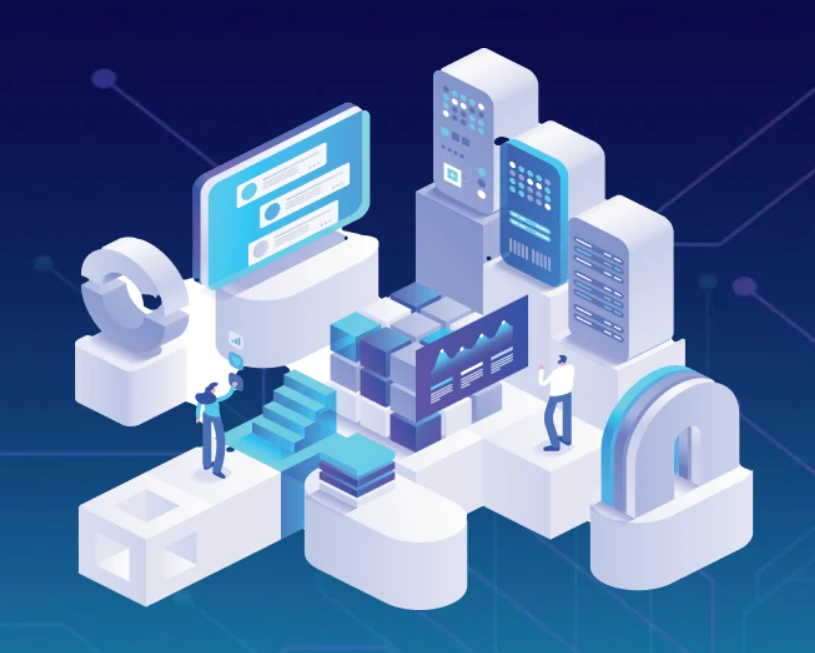
The rise of healthcare software development has revolutionized drug-like noway ahead. Gone are the days of paper records piling up in storehouse apartments. In a moment, a patient’s entire medical history is available at a doctor's fingertips.
Digital evolution has turbocharged every aspect of care, from AI-powered diagnostics that spot conditions early to telemedicine platforms that bring specialists to remote areas. Administrative tasks like billing and scheduling now run smoothly through automated systems, freeing up staff to concentrate on what matters most—patient care.
Maybe most importantly, these technologies have shifted healthcare from reactive to visionary, with wearable devices and prophetic analytics helping to help ailments before they strike. While challenges remain around data security and adoption, one thing is clear healthcare software hasn't just changed the system; it's rebuilding it from the ground up to be smarter, accelerated, and more human-centered than ever before.
4. Challenges has to face in Healthcare Software Development
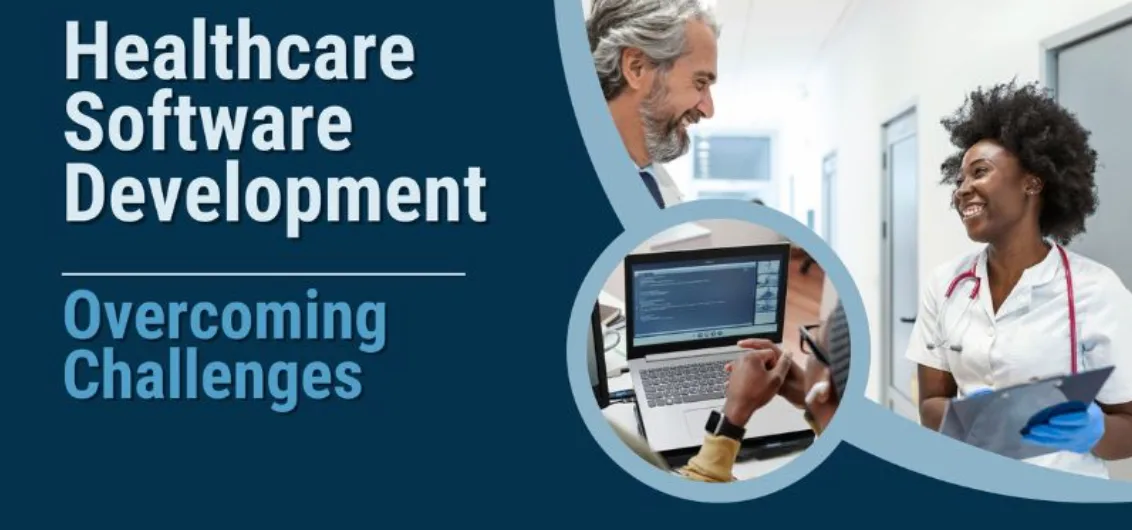
Developing healthcare software isn’t easy. Hospitals deal with strict regulations (HIPAA, GDPR), growing legacy systems that repel upgrades, and the constant trouble of cyberattacks. Add to that the challenge of training busy medical staff on new tech. Still, with the right custom software development companies in chennai, these hurdles can be overcome — through secure, scalable, and intuitive results that align with both medical and tech demands.
Despite its benefits, developing healthcare software comes with challenges
● Regulatory Compliance—Meeting HIPAA, GDPR, and FDA norms.
● Legacy System Integration—Modernizing outdated systems without disruptions.
● Data Security—guarding sensitive patient information from cyber attacks.
● Employee Adoption—Training medical staff to use new software efficiently.
A experienced healthcare software development company in Chennai for custom software development can navigate these challenges effectively.
Despite its benefits, developing healthcare software comes with challenges
● Regulatory Compliance—Meeting HIPAA, GDPR, and FDA norms.
● Legacy System Integration—Modernizing outdated systems without disruptions.
● Data Security—guarding sensitive patient information from cyber attacks.
● Employee Adoption—Training medical staff to use new software efficiently.
A experienced healthcare software development company in Chennai for custom software development can navigate these challenges effectively.
5. Statistics and Cost Analysis of Custom Healthcare Software Development (2025)
| Aspect | Statistic/Data | Humanized Insight |
|---|---|---|
| Average Cost Range | $50,000 – $500,000+ | "The cost is determined by complexity. A simple telemedicine app starts at $50K, while a full EHR system can exceed $500K." |
| Development Time | 6 months – 2+ years | "MVP (Minimum Viable Product) can launch in 6 months, but refining it is a journey." |
| Key Cost Drivers |
- Features (AI, IoT, compliance) - Team location (US: $100–$250/hr vs. India: $25–$50/hr) - Compliance (HIPAA/GDPR adds 15–30% cost) |
"Want AI-powered diagnostics? That’s like adding a Tesla engine to a car—powerful but pricier." |
| ROI & Adoption Rates |
- 78% of clinics see ROI within 2 years - Using digital technologies, patient intake is 60% faster. |
"Software isn’t an expense—it’s a time- and money-saver. Imagine cutting paperwork by 60%!" |
| Post-Launch Costs | 15–20% of initial cost/year (maintenance, updates) | "Like a car, software needs tune-ups. Budget for updates to keep it secure and smooth." |
5.1 Cost Variation by Software Type
| Software Type | Cost Range | What You Get |
|---|---|---|
| Telemedicine App | $50,000 – $150,000 | "Video calls, prescriptions, and patient portals—like Zoom but for doctors." |
| EHR/EMR System | $100,000 – $500,000 | "A digital twin of your clinic’s paperwork, but smarter and searchable." |
| Healthcare CRM | $70,000 – $200,000 | "Like a super-organized assistant tracking patients, appointments, and feedback." |
| AI Diagnostics Tool | $200,000 – $1M+ | "Your software ‘thinks’ like a doctor (but doesn’t replace one!)." |
| IoT Health Monitoring | $150,000 – $400,000 | "Wearables + software = real-time health alerts. Comparable to an advanced version of a Fitbit." |
6.The Future of Healthcare Software Development
Imagine hospitals where AI predicts ailments before symptoms appear, VR trains surgeons, and IoT devices cover patient in real time from home. The future of healthcare software is smarter, quicker, and more individualized. With advancements in AI, blockchain, and telemedicine, hospitals that invest in forefront technology at the moment will lead the industry hereafter — delivering perfect care while keeping costs and problems low.
AI has the potential to completely transform healthcare software development in ways we can't yet fully comprehend. Suppose of it as a supercharged adjunct — helping doctors diagnose conditions briskly with near-perfect delicacy, predicting health issues before symptoms appear, and indeed automating tedious tasks like medical rendering so staff can concentrate on patients.
AI-powered tools will enable Personalized treatment plans grounded on genetics and life, while chatbots handle routine patient queries 24/7. Behind the scenes, AI will streamline software development itself, automating testing, spotting security excrescences, and speeding up regulatory compliance. The future isn’t just about smarter software, but software that learns, adapts, and grows alongside the medicine itself, making healthcare more visionary, precise, and accessible for everyone.
The future holds instigative possibilities
● AI-Driven Predictive Healthcare—Early Complaint Discovery Using Big Data.
● VR/AR in Medical Training—Simulated surgeries for doctors.
● Smart Hospitals with IoT—Automated patient monitoring and asset shadowing.
Hospitals investing in software development for the healthcare industry at this moment will lead the medical revolution hereafter.
AI has the potential to completely transform healthcare software development in ways we can't yet fully comprehend. Suppose of it as a supercharged adjunct — helping doctors diagnose conditions briskly with near-perfect delicacy, predicting health issues before symptoms appear, and indeed automating tedious tasks like medical rendering so staff can concentrate on patients.
AI-powered tools will enable Personalized treatment plans grounded on genetics and life, while chatbots handle routine patient queries 24/7. Behind the scenes, AI will streamline software development itself, automating testing, spotting security excrescences, and speeding up regulatory compliance. The future isn’t just about smarter software, but software that learns, adapts, and grows alongside the medicine itself, making healthcare more visionary, precise, and accessible for everyone.
The future holds instigative possibilities
● AI-Driven Predictive Healthcare—Early Complaint Discovery Using Big Data.
● VR/AR in Medical Training—Simulated surgeries for doctors.
● Smart Hospitals with IoT—Automated patient monitoring and asset shadowing.
Hospitals investing in software development for the healthcare industry at this moment will lead the medical revolution hereafter.
7. Conclusion
Healthcare software development is no longer voluntary — it’s a necessity for Modern hospitals. Technology is ensuring patient care and hospital operations, from blockchain security and AI diagnoses to EHRs and telemedicine.
For hospitals looking to stay ahead, uniting with a trusted healthcare software development company is pivotal. Whether it’s a healthcare company in Chennai for software development or a global tech mate, the right expertise ensures flawless, secure, and scalable results.
The future of healthcare is digital, and the time to embrace custom healthcare software is now. By embracing healthcare software development, hospitals can deliver superior care, streamline operations, and stay competitive in the digital age. The right technology partner, makes all the difference — start your development moment!
Meet the Author

Co-Founder, Rytsense Technologies
Karthik is the Co-Founder of Rytsense Technologies, where he leads cutting-edge projects at the intersection of Data Science and Generative AI. With nearly a decade of hands-on experience in data-driven innovation, he has helped businesses unlock value from complex data through advanced analytics, machine learning, and AI-powered solutions. Currently, his focus is on building next-generation Generative AI applications that are reshaping the way enterprises operate and scale. When not architecting AI systems, Karthik explores the evolving future of technology, where creativity meets intelligence.