What Are the 4 Types of AI?
Artificial Intelligence (AI) is no longer just a buzzword—it’s a foundational technology shaping how modern businesses operate, how software behaves, and how users interact with digital systems.
From recommendation engines and chatbots to predictive analytics and automation tools, AI is everywhere. But here’s the key insight most people miss:
AI is not a single technology—it’s a spectrum of systems with different capabilities.
The 4 types of AI are:
- Reactive Machines
- Limited Memory AI
- Theory of Mind AI
- Self-Aware AI
Understanding the four types of AI technology helps you:
- Identify what AI can realistically do today
- Avoid overestimating AI capabilities
- Choose the right AI approach for your business
In this comprehensive guide, we’ll break down:
- The four types of AI (with real-world examples)
- How AI actually works behind the scenes
- Types of AI models and chatbots
- Business applications of AI
- Key concepts you should understand
What Is Artificial Intelligence?
Artificial Intelligence refers to the ability of machines or software systems to simulate human intelligence.
This includes:
- Learning from data
- Recognizing patterns
- Making decisions
- Understanding language
- Solving problems
At its core, AI combines:
- Data
- Algorithms
- Computing power
Together, these allow machines to perform tasks that would typically require human intelligence.
Real-World Examples of AI:
- Virtual assistants
- Fraud detection systems
- Product recommendations
- Autonomous vehicles
If you’ve interacted with tools like ChatGPT or Claude, you’ve already experienced modern AI in action.
What Is an AI Model?
An AI model is the underlying system that enables AI to function.
It is trained on large datasets and learns patterns that help it:
- Predict outcomes
- Classify information
- Generate content
Types of AI Models
1. Regression Models
Used for predicting numerical values (e.g., sales forecasting)
2. Classification Models
Used for categorizing data (e.g., spam detection)
3. Deep Learning Models
Used for complex tasks like:
- Image recognition
- Natural language processing
- Generative AI
These models power tools like ChatGPT and Claude.
Understanding AI models is essential because:
The type of model determines what your AI system can actually do.
The 4 Types of AI Technology
AI systems are broadly classified into four types based on their functionality and level of intelligence.
1. Reactive Machines (Basic AI)
Reactive machines represent the most basic form of AI.
They operate purely based on present input and do not store memories or past experiences.
Key Characteristics
- No memory
- No learning capability
- Deterministic behavior
Example
IBM Deep Blue (chess-playing AI)

This system could analyze millions of moves but:
- It had no understanding of past games.
Where Businesses Use Reactive AI Today
- Manufacturing - Robotic arms for assembly tasks
- Cybersecurity - Instant threat detection rules
- Customer service - Chatbots that follow predefined scripts
Even though reactive machines are limited, they still represent a large share of AI in enterprise environments where reliability is important.
2. Limited Memory AI (Most Common Today)
Limited Memory AI is the most widely used type of AI in real-world applications.
It can:
- Learn from historical data
- Improve over time
- Make data-driven decisions
Key Characteristics
- Uses past data (temporarily)
- Learns from patterns
- Continuously improves
Real-World Examples
- Self-driving cars
- Recommendation engines (Netflix, Amazon)
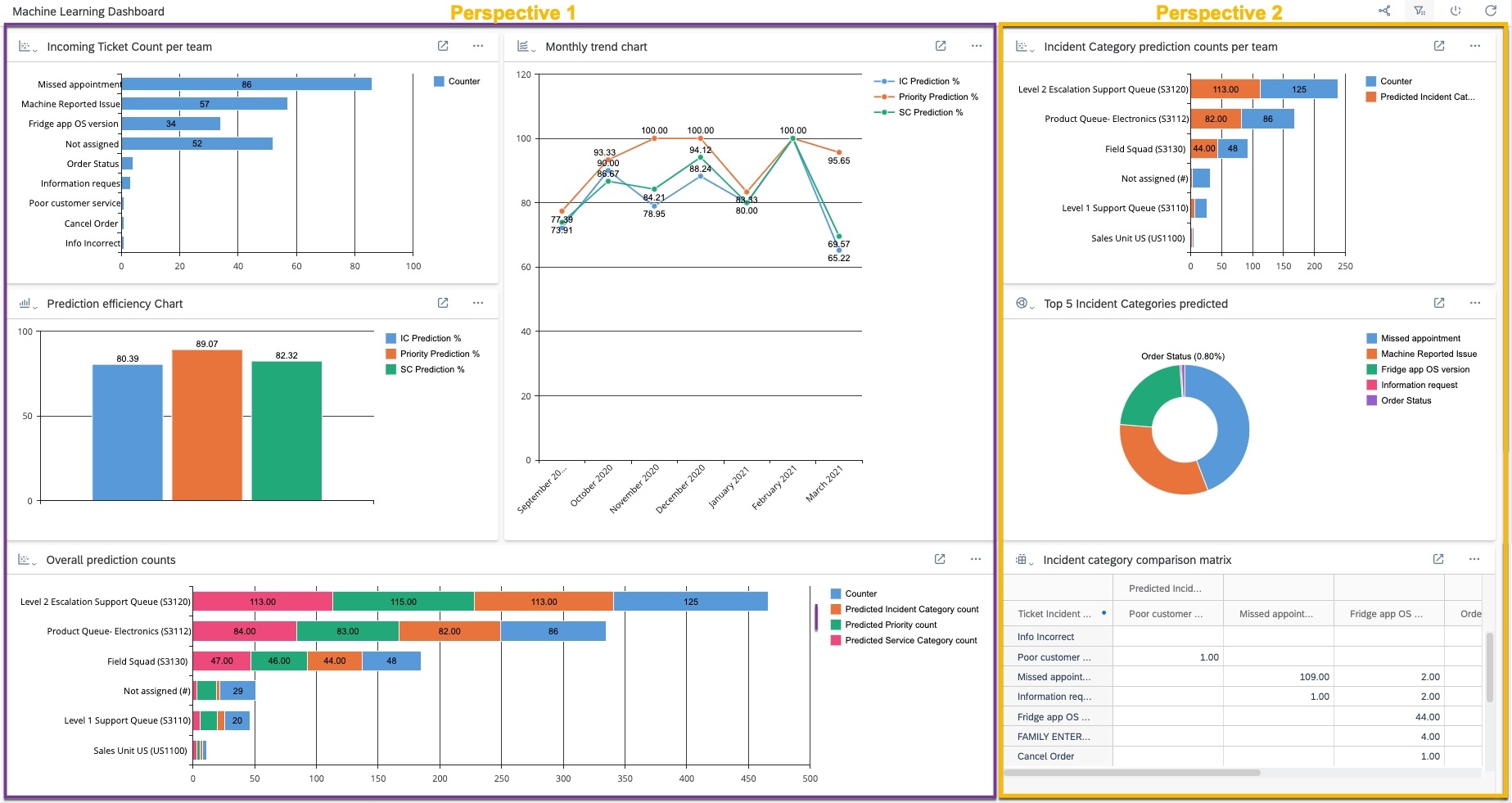
- Fraud detection systems
- AI chatbots
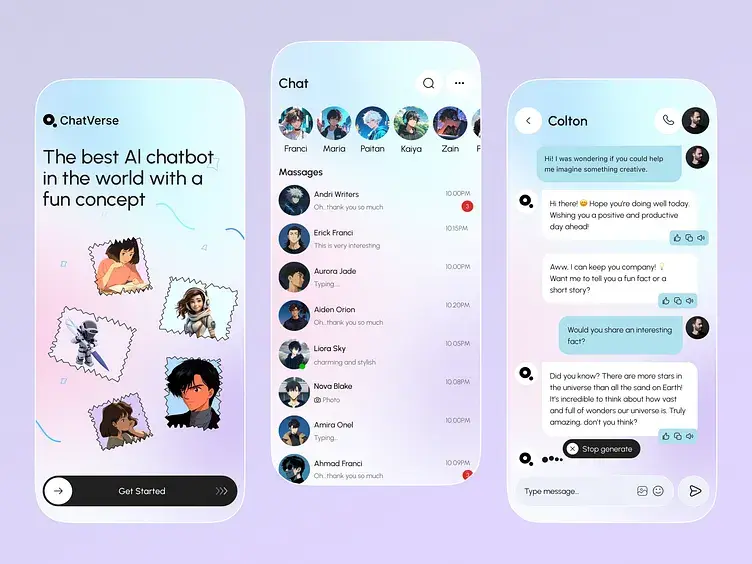
Tools like ChatGPT and Claude fall into this category.
Why It Matters
This is the only type of AI businesses are actually using at scale today.
How Businesses Benefit
Limited Memory AI enables:
- Personalized user experiences (like Netflix recommendations)
- Fraud detection and risk scoring in finance
- Predictive maintenance in manufacturing
- Sales forecasting and customer behavior analysis
This category includes many vital AI technologies:
- Machine learning models
- Neural networks
- Natural language processing (NLP)
- Computer vision
- Generative AI (like ChatGPT)
Startups and enterprises invest heavily in AI development services to build intelligent apps that learn from big data and enhance decision-making in real time.
3. Theory of Mind AI (Emerging AI)
Theory of Mind AI represents the next stage in AI evolution.
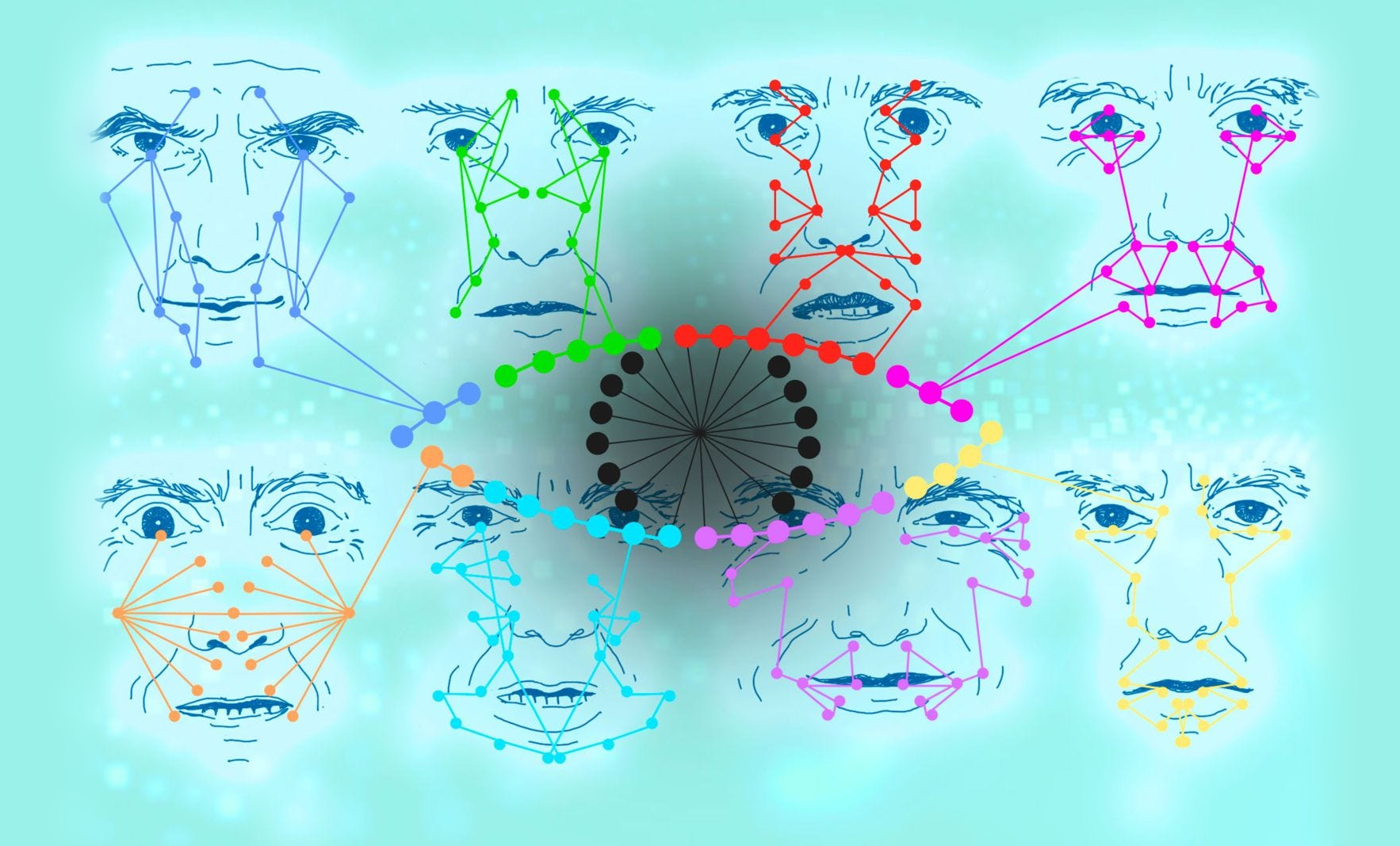
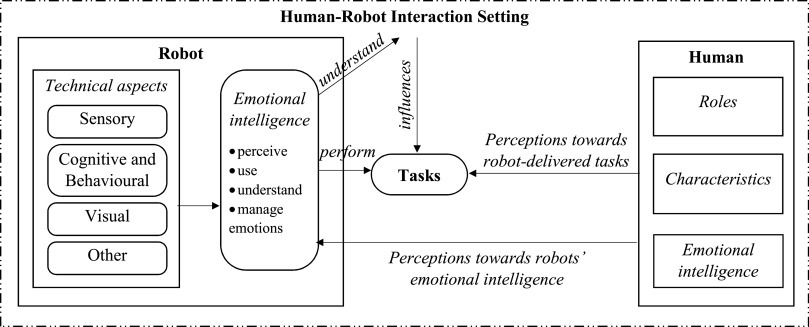
It focuses on enabling machines to:
- Understand human emotions
- Interpret intentions
- Respond based on context
Potential Capabilities:
- Emotion-aware chatbots
- Advanced human-AI collaboration
- Personalized AI assistants
Business and Innovation Impact
This type of AI will disrupt:
- Healthcare - AI therapists, patient monitoring
- Education - Personalized AI tutors
- Customer service - Emotionally intelligent virtual agents
- Human resources - AI-based workforce engagement
As this evolves, businesses will be able to deploy AI systems that understand customers at an emotional level, improving loyalty and user experience.
4. Self-Aware AI (Future AI)
Self-Aware AI is the most advanced and hypothetical form of AI.
It would possess:
- Consciousness
- Self-awareness
- Independent reasoning
What It Could Do:
- Understand its own existence
- Make autonomous decisions
- Exhibit human-like cognition

Reality Check:
This type of AI does not exist today and remains theoretical.
Types of AI Based on Capabilities
Another important classification focuses on what AI is capable of doing.
Artificial Narrow Intelligence (ANI)
- Designed for specific tasks
- Most AI systems today fall here
Artificial General Intelligence (AGI)
- Human-level intelligence
- Can perform any intellectual task
Super AI
- Surpasses human intelligence
- Hypothetical future stage
Tools like ChatGPT are examples of Narrow AI, not AGI.
Types of Chatbots in AI
Chatbots are one of the most visible and widely adopted AI applications.
Rule-Based Chatbots
- Operate using predefined rules
- Limited flexibility
AI-Powered Chatbots
- Use machine learning
- Adapt based on user interactions
Generative AI Chatbots
- Create human-like responses
- Understand context and intent
Popular Examples:
- ChatGPT
- Claude by Anthropic
These systems are transforming:
- Customer support
- Sales interactions
- Content creation
What Type of AI Is ChatGPT?
ChatGPT belongs to:
- Limited Memory AI
- Artificial Narrow Intelligence (ANI)
It works by:
- Learning patterns from large datasets
- Generating responses based on probability
- Maintaining short-term conversational context
It does NOT:
- Have consciousness
- Truly “understand” like humans
Key Differences Between the 4 Types of AI
| Type | Memory | Learning | Exists Today? | Example |
|---|---|---|---|---|
| Reactive Machines | ❌ No | ❌ No | ✅ Yes | Chess AI |
| Limited Memory | ✅ Yes | ✅ Yes | ✅ Yes | ChatGPT |
| Theory of Mind | ⚠️ Experimental | ⚠️ Advanced | ❌ No | Research AI |
| Self-Aware | ✅ Full | ✅ Full | ❌ No | Sci-fi |
How AI Is Used in Business Today
AI is no longer optional—it’s becoming a competitive advantage.
Key Business Applications:
AI Automation
- Reduces manual work
- Improves efficiency
SaaS AI Platforms
- Scalable AI tools
- Accessible without heavy infrastructure
AI in Marketing
- Personalization
- Customer segmentation
- Campaign optimization
Digital Marketing AI Tools
- Content generation
- SEO optimization
- Predictive analytics
Real-World Use Cases:
- Customer support automation
- Lead scoring
- Sales forecasting
- Fraud detection
Businesses that adopt AI effectively gain:
- Faster decision-making
- Lower operational costs
- Better customer experiences
Advanced AI Concepts (Quick Overview)
To build a deeper understanding of AI, here are some important foundational concepts:
Semantic AI
Focuses on understanding meaning and context in language
Uninformed Search Strategies
Basic problem-solving techniques used in AI systems
Production Systems in AI
Rule-based systems used for decision-making
Modus Ponens
A logical reasoning method used in AI inference systems
These concepts are foundational in academic and advanced AI systems.
Build AI That Actually Works for Your Business
Most companies struggle with AI not because of technology—but because of wrong implementation.
That’s where Rytsense Technologies comes in.
What Rytsense Helps You Do:
- Build custom AI agents tailored to your workflows
- Automate business processes with AI
- Develop scalable SaaS AI solutions
- Integrate AI into existing systems
Instead of using generic tools, you get AI built specifically for your business goals
Turn AI Into a Competitive Advantage
AI isn’t just about experimentation anymore—it’s about execution.
With the right strategy, you can:
- Reduce operational costs
- Improve decision-making
- Scale faster with automation
Ready to build your AI solution?
Partner with Rytsense Technologies and start turning AI into real business outcomes.
Final Thoughts
The four types of AI represent different stages in the evolution of intelligent systems.
But here’s the key takeaway:
- Only Reactive Machines and Limited Memory AI exist today
- Most real-world applications rely on Limited Memory AI
Understanding this helps you:
- Make informed technology decisions
- Avoid unrealistic expectations
- Focus on practical AI implementations
As AI continues to evolve, businesses that understand these fundamentals will be better positioned to leverage its full potential.
Meet the Author

Co-Founder, Rytsense Technologies
Karthik is the Co-Founder of Rytsense Technologies, where he leads cutting-edge projects at the intersection of Data Science and Generative AI. With nearly a decade of hands-on experience in data-driven innovation, he has helped businesses unlock value from complex data through advanced analytics, machine learning, and AI-powered solutions. Currently, his focus is on building next-generation Generative AI applications that are reshaping the way enterprises operate and scale. When not architecting AI systems, Karthik explores the evolving future of technology, where creativity meets intelligence.